![Air conditioning systems are essential for comfort, especially during hot months. But how often should you schedule AC maintenance? Regular upkeep can extend your unit’s lifespan, improve efficiency, and enhance indoor air quality. Knowing the right AC maintenance frequency can help you avoid unexpected breakdowns and costly repairs. Let’s explore how often you should service […]](https://www.wintersheatinginc.com/wp-content/uploads/2024/10/How-often-does-your-AC-need-maintenance-750x420.jpg "How Often Does Your AC Need Maintenance?")
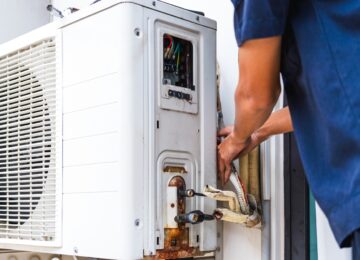
Air conditioning systems are essential for comfort, especially during hot months. But how often should you schedule AC maintenance? Regular upkeep can extend your unit’s lifespan, improve efficiency, and enhance indoor air quality. Knowing the right AC maintenance frequency can help you avoid unexpected breakdowns and costly repairs.
Let’s explore how often you should service your AC and the benefits of doing so.
Monthly Checks
Performing monthly checks on your AC is vital. Simple tasks can help keep your unit running smoothly:
- Check Air Filters: Dirty filters can restrict airflow and reduce efficiency. Inspect them monthly and clean or replace them as needed.
- Clear Debris: Remove leaves, dirt, or other debris from the outdoor unit. This allows for better airflow and prevents overheating.
- Inspect the Thermostat: Make sure your thermostat is functioning correctly. A faulty thermostat can lead to inconsistent temperatures.
These small tasks can greatly affect your system’s performance and can lead to fewer issues down the line.
Seasonal Maintenance
In addition to monthly checks, seasonal maintenance is crucial. You should consider scheduling a professional inspection at least twice a year, ideally in spring and fall. Here’s what to expect during a seasonal maintenance check:
- Comprehensive Inspection: A technician will thoroughly check the system for any potential issues. This includes examining electrical connections and components.
- Cleaning the Coils: Dirt can build up on the evaporator and condenser coils, impacting efficiency. Regular cleaning helps prevent this.
- Checking Refrigerant Levels: Low refrigerant can cause the AC to work harder, leading to increased energy costs. Ensure levels are checked and replenished as necessary.
This seasonal maintenance keeps your system efficient and helps identify problems before they escalate.
Signs Your AC Needs More Frequent Maintenance
Sometimes, your AC may need more frequent attention than usual. Be on the lookout for these signs:
- Increased Energy Bills: If your energy costs rise without a change in usage, it could indicate that your AC is struggling.
- Unusual Noises: Strange sounds like rattling, buzzing, or grinding can suggest mechanical issues requiring immediate attention.
- Uneven Cooling: If some rooms are cooler than others, it may mean your system isn’t working effectively.
If you notice any of these issues, don’t hesitate to schedule a maintenance appointment.
Benefits of Regular Maintenance
Investing time and money into regular air conditioner maintenance pays off in several ways:
- Extended Lifespan: Regular maintenance can significantly extend your system’s lifespan, saving you from costly replacements.
- Improved Efficiency: A well-maintained AC unit operates more efficiently, leading to lower energy bills and a smaller carbon footprint.
- Enhanced Comfort: Regular upkeep helps maintain a comfortable indoor temperature, ensuring your home stays cool during the hottest months.
By understanding the AC maintenance frequency and its benefits, you can make informed decisions for your home.
Preparing for Maintenance Visits
When preparing for a maintenance visit, keep a few things in mind:
- Clear the Area: Remove any furniture or debris around the indoor and outdoor units. This allows technicians to work safely and efficiently.
- List Concerns: Write down any concerns you have about your system. This helps the technician address specific issues during the visit.
- Keep Records: Maintain a record of past maintenance visits and any repairs. This information can help the technician diagnose any ongoing issues.
Being prepared can help the maintenance visit go smoothly and ensure your AC gets the attention it needs.
What Happens During Maintenance?
During a professional maintenance visit, a technician will perform several essential tasks:
- Check and Clean Filters: As mentioned, filters are crucial for efficient operation. They will replace or clean them as necessary.
- Inspect Ductwork: The technician will examine ductwork for leaks or blockages that could affect airflow.
- Evaluate Drainage: Clogged drainage can lead to water damage. The technician will ensure drainage systems are clear and functioning.
These steps help ensure your AC operates at peak performance throughout the cooling season.
AC Maintenance Frequency
Proper maintenance is vital for any air conditioning system. Aim for monthly checks and seasonal professional inspections to keep your unit in top shape. Remember to monitor your AC for signs of trouble, as this can help you catch issues early on. By adhering to these maintenance practices, you’ll enjoy a more efficient and longer-lasting system.
Regular AC maintenance not only enhances comfort but also saves you money in the long run. So, prioritize your AC maintenance frequency and ensure your system is ready to tackle the heat. Your future self will thank you!
Frequently Asked Questions
How often should I replace my AC filters?
You should replace or clean your AC filters every 1 to 3 months, depending on usage and the type of filter. If you have pets, allergies, or live in a dusty area, consider checking them monthly.
Can I perform AC maintenance myself?
Yes, homeowners can do many basic maintenance tasks, such as changing filters, cleaning the outdoor unit, and checking the thermostat. However, for complex issues or detailed inspections, it’s best to hire a professional.
What are the signs that my AC needs immediate maintenance?
If you notice unusual noises, bad smells, uneven cooling, or increased energy bills, these could indicate a problem that requires immediate maintenance to prevent further damage.
How does regular maintenance affect energy efficiency?
Regular maintenance, such as cleaning coils and replacing filters, helps your AC operate more efficiently. This means it consumes less energy to cool your home, leading to lower energy bills.
What happens if I skip regular AC maintenance?
Skipping maintenance can lead to decreased efficiency, higher energy bills, and an increased risk of breakdowns. It may also shorten your system’s lifespan, resulting in costly repairs or replacements.