

Lockport Homeowners: Skipping This One AC Maintenance Step Is the #1 Reason Units Break Down in July
When the summer heat hits in Lockport, your air conditioning unit is your best friend. But what if your air conditioner gives out in the heat of summer? What if, on an extraordinarily warm July day, your AC just stopped running? It’s a scary thought, but it happens to too many people. That’s why you have to take the proper steps to prevent it from happening to you. There are a host of reasons why your air conditioner can fail, but there’s often a single culprit. That failed air conditioner is often taken care of due to a missed regular maintenance setup.
What Leads to a Faulty Air Conditioner?
As a building owner, you approach your day expecting your AC to run without a hitch, but like any other appliance, it could stop working properly at any time. The secret to keeping an air conditioner running is regular maintenance. But before we skip to that, you must note that your air conditioner does a lot for your home. And, it’s much more than keeping your home comfortable. Though many people view them as comfort controllers, temperature controllers, or the part that blows cold air, they also have additional components that help keep your building running smoothly. Much like other things in life, systems can wear out or break down over time. However, when they reach their breaking point, the consequences can be severe
AC maintenance in Lockport, IL, is more than just repairing minor issues—it’s designed to prevent major issues from developing. While it can be easy to skip a filter change or a quick cleaning, it can cause a snowball effect that spirals out of control and leads to a costly repair. There is one maintenance task in particular that often brings down most systems: checking and cleaning the condenser coils.
Why Condenser Coils Are So Important
The condenser coil in the air conditioner releases the heat your AC absorbs from your home. When the coil is clogged with dirt, dust, and debris, your air conditioning system struggles to efficiently remove heat from the air. Therefore, it will overheat, work harder, and eventually break down. Not cleaning condenser coils is a leading cause of AC breakdowns in the peak hottest seasons.
If your system’s airflow is restricted, it’s not operating as efficiently or effectively as it could. So, your cooling bills will rise, and you’re likely to feel less cool, refreshing air than you’d expect from your system. But how do you avoid all this?
The Importance of Routine AC Maintenance
We will handle all required AC maintenance if you schedule your seasonal tune-up with us, though cleaning the condenser coil is the most important maintenance task. Fortunately, the following maintenance tasks are to ensure your air conditioner works as efficiently as possible.
- Change your air filter: A clogged air filter restricts airflow, making it harder for your air conditioner to do its job. By simply changing your air filter every 1-3 months, you can start saving money on energy costs and extend your unit’s lifespan.
- Cleaning the evaporator coils: These coils absorb heat from the air in your house, and the dirtier they are, the less efficiently they can do this. When they are cleaned, they can operate more efficiently and are less likely to strain the system.
- Checking refrigerant levels: Low refrigerant can leave you claustrophobic and bothered, and can also damage your AC. Ensuring the refrigerant level is correct can save you from costly repairs.
- Checking the drain: Your air conditioner produces condensation while running. If the drain line is clogged, that could lead to water damage or an air conditioner that won’t turn on. Keeping your drain line clean is essential to preventing your AC from flooding and damaging your ceilings.
The Benefits of Professional AC Maintenance
While some homeowners may try to tackle these items on their own, a professional AC technician can ensure the job is done right. A certified technician has the experience and tools to catch issues before they become major, costly problems.
Some advantages of professional AC Maintenance in Lockport, IL include:
- Stops breakdowns: Small problems that aren’t caught can lead to much larger issues.
- Enhances efficiency: A well-maintained AC unit operates more efficiently, leading to lower energy bills.
- Extends lifespan: Regardless of how long your unit is supposed to last, you can expect it to last longer with proper care.
- It keeps your indoor air cleaner: A clean AC improves airflow, helping you achieve better indoor air quality.
What Happens If You Skip AC Maintenance?
The effects of ignoring AC maintenance can be drastic for your climate control system and will only get worse over time. Without cleaning the condenser coils, replacing filters, lubricating parts, or addressing small problems, you’ll end up with:
- Higher Energy Bills: Your system will struggle to cool your home when parts are not functioning optimally. As a result, it uses more power and takes longer to reach a comfortable temperature, driving up your monthly energy bills.
- Frequent breakdowns: Your AC may break down often, leading to expensive repairs or worse, a full replacement.
- Uncomfortable home: During hot summer days, a malfunctioning AC can leave you stuck in an uncomfortable, sweltering house.
- Lifespan reduction: Neglecting AC maintenance can reduce life expectancy, meaning that you’ll have to buy a new air conditioner sooner.
How Winters Heating & Cooling Can Help
By scheduling regular AC maintenance, you ensure your air conditioner runs smoothly year-round, especially during the hottest months in Lockport. Winters Heating & Cooling offers comprehensive maintenance plans that cover all aspects of your AC unit. From cleaning condenser coils to checking refrigerant levels, our expert technicians will ensure your system runs efficiently and reliably.
Don’t Wait Until Your AC Breaks Down – Act Now!
It’s easy to forget about routine AC maintenance, but the consequences of ignoring it can be significant. To avoid discomfort and costly repairs this summer, make sure your AC is ready for the heat. Call Winters Heating & Cooling today to schedule your professional AC maintenance in Lockport, IL. Our expert team will take care of everything, so you can rest easy knowing your AC will keep you cool all summer long.
Common Questions People Ask
Q1: How often should I schedule AC maintenance?
It’s recommended to schedule AC maintenance at least once a year, ideally before the summer months, to ensure your system is ready for the heat.
Q2: Can I clean my AC condenser coils myself?
While it’s possible to clean your condenser coils, hiring a professional ensures that the job is done thoroughly and safely, without causing any damage.
Q3: What are the signs that my AC needs maintenance?
If your AC is making strange noises, not cooling effectively, or you notice an increase in energy bills, it might be time for maintenance.
Q4: How does regular AC maintenance save money?
Regular maintenance keeps your system running efficiently, reduces the risk of breakdowns, and helps avoid expensive repairs or replacements.
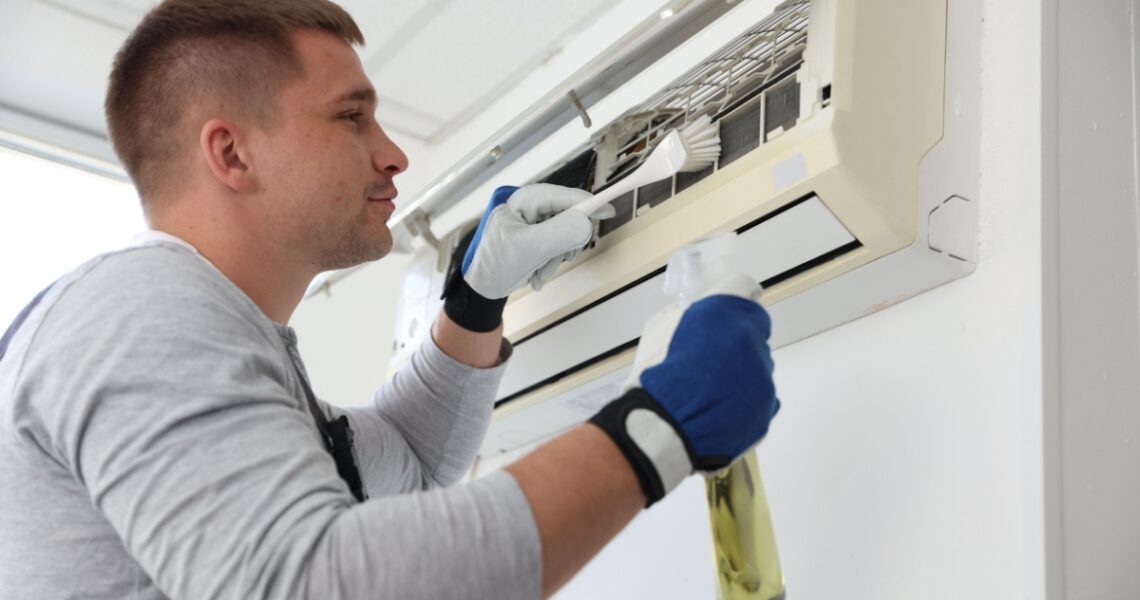
Why Is Your AC Running But Not Cooling Your Lockport Home?
It’s a typical summer afternoon in Lockport. The air feels heavy, the humidity is high, and your AC has been running for hours. Yet, your home still feels warm and uncomfortable. You check the thermostat again. It’s set correctly. The system is on. But something isn’t working as it should.
This situation is frustrating, especially when you expect your AC to keep your home cool during peak summer heat. Many homeowners face this issue at some point. The good news is that there’s usually a clear reason behind it.
In this blog, you’ll learn why your AC may be running without cooling, what signs to watch for, and what steps you can take before calling for help. Understanding these basics can help you act quickly and avoid bigger problems later.
How Your AC Should Work in Normal Conditions
Your air conditioner works by removing heat from inside your home and releasing it outside. It does not create cold air. Instead, it pulls warm air in, cools it using refrigerant, and then circulates it back into your home.
Here’s a simple breakdown of the process. The thermostat signals the system to start. Warm air is drawn through return vents. That air passes over the evaporator coil, where heat is absorbed. The cooled air then moves back through your ducts and into your rooms. Meanwhile, the outdoor unit releases the collected heat.
When everything functions correctly, this cycle repeats until your home reaches the set temperature. The system then shuts off and turns back on as needed.
However, just because your AC is running does not mean it is cooling properly. If any part of this cycle is disrupted, your system may continue to operate without lowering the temperature. This is often where issues begin, especially without routine air conditioner maintenance in Lockport, which keeps each component working efficiently.
Common Reasons Your AC Is Not Cooling Properly
Several issues can cause this problem. Some are simple. Others need professional attention.
Dirty or Clogged Air Filter
A clogged filter restricts airflow. When air cannot move freely, your system struggles to cool your home. You may notice weak airflow from vents. This is one of the easiest issues to fix. Replacing the filter can quickly improve performance.
Thermostat Issues
Sometimes the problem is not the AC itself. Incorrect settings, dead batteries, or sensor problems can prevent proper cooling. If the thermostat is not reading the temperature accurately, your system may run longer than necessary without results.
Low Refrigerant Levels or Leaks
Refrigerant plays a key role in removing heat. If levels are low, your system cannot cool effectively. You may feel warm air or notice longer cooling cycles. This issue requires professional repair and should not be ignored.
Frozen Evaporator Coil
Restricted airflow or refrigerant issues can cause the evaporator coil to freeze. Ice buildup blocks the cooling process. When this happens, your AC may run continuously but fail to cool your home.
Dirty Condenser Unit (Outdoor Unit)
Your outdoor unit releases heat from your home. If it is covered in dirt, leaves, or debris, it cannot function properly. This leads to poor cooling performance, especially during hot days.
Leaky or Blocked Ductwork
If your ducts have leaks or blockages, cooled air may never reach your living spaces. This results in uneven temperatures and reduced efficiency.
Aging or Failing AC System
Older systems lose efficiency over time. Parts wear out, and performance declines. If your system struggles to keep up even after basic fixes, it may be nearing the end of its lifespan.
Signs Your AC Problem Needs Immediate Attention
Some warning signs should not be ignored. If you notice any of the following, your system may need prompt attention.
If your AC is blowing warm air, the cooling process is not working at all. Weak airflow can point to a blockage or failing component. Strange noises, such as grinding or buzzing, often indicate internal issues that need repair.
Unusual smells are another concern. A musty odor may suggest mold, while a burning smell could signal electrical trouble. Both require quick action.
You may also notice a sudden increase in energy bills. When your system works harder than necessary, it uses more energy without improving comfort. If your AC runs constantly without reaching the set temperature, it is a clear sign that something is wrong.
Addressing these issues early can prevent more serious damage and reduce repair costs.
What You Can Check Before Calling a Technician
Before scheduling a service visit, there are a few simple steps you can take.
Start by checking your air filter. If it looks dirty, replace it. This small step can make a noticeable difference in airflow and cooling.
Next, review your thermostat settings. Make sure it is set to “cool” and that the temperature is lower than the current room temperature. Replace batteries if needed.
Check your circuit breaker. Sometimes, a partial power issue can affect performance without shutting the system off completely.
Take a look at your outdoor unit. Clear away any leaves, dirt, or debris around it. Make sure there is enough space for proper airflow.
Walk through your home and ensure all vents are open and not blocked by furniture or rugs. Closed vents can disrupt airflow and reduce efficiency.
These steps can help restore normal function or at least rule out simple issues before calling a professional.
How Lockport Weather Impacts Your AC Performance
Summers in this area can feel intense, especially when humidity rises. The air becomes heavier, and your AC has to work harder to remove both heat and moisture from your home.
During peak summer months, your system may run longer cycles to maintain comfort. This added strain can expose underlying issues, especially if the system has not been serviced recently.
Humidity also affects how cool your home feels. Even if the temperature drops slightly, high moisture levels can make it feel warmer than it is. This often leads homeowners to think their AC is not working when it is actually struggling against the conditions.
Seasonal changes highlight the importance of regular air conditioner maintenance in Lockport. Keeping your system clean and tuned helps it handle these demanding conditions more effectively.
When to Call an HVAC Professional in Lockport
Some issues require more than a quick fix. If you suspect refrigerant problems, electrical faults, or frozen coils, it is best to contact a professional.
Refrigerant handling requires proper tools and training. Electrical issues can pose safety risks if not addressed correctly. Persistent cooling problems, even after basic troubleshooting, often point to deeper system concerns.
An experienced technician can diagnose the issue accurately and recommend the right solution. This ensures your system is repaired properly and prevents further damage.
Local expertise also matters. A professional familiar with Lockport’s climate understands how seasonal conditions affect system performance. This helps in identifying problems more efficiently and recommending solutions that work long-term.
How Regular Maintenance Prevents Cooling Issues
Preventive care is one of the most effective ways to avoid cooling problems. Regular service keeps your system running efficiently and reduces the risk of unexpected breakdowns.
Seasonal tune-ups allow technicians to inspect and clean key components. This includes checking refrigerant levels, tightening electrical connections, and ensuring proper airflow.
Replacing filters regularly helps maintain strong airflow and keeps indoor air clean. Cleaning coils improves heat exchange, which is essential for effective cooling.
Routine care also extends the lifespan of your system. A well-maintained unit performs better and lasts longer, saving you from early replacement.
Investing in consistent air conditioner maintenance helps you stay ahead of potential issues and keeps your home comfortable throughout the summer.
When your AC runs without cooling, it usually points to a specific issue. From clogged filters to refrigerant problems, each cause affects how your system performs. Understanding these signs helps you take the right steps early.
Start with simple checks. If the problem continues, do not wait. Getting the system inspected can prevent further damage and restore comfort faster.
If your home is not staying cool, it may be time to have your system evaluated. Winters Heating, Inc offers reliable support for homeowners looking to bring their comfort back on track. Schedule a visit and take the next step toward a cooler, more comfortable home.
What People Ask
How do I know if my AC has low refrigerant?
Common signs include warm air from vents, longer cooling cycles, and ice on the coils. This issue requires professional inspection and repair.
Is it normal for my AC to run constantly in summer?
It may run longer during hot and humid days, but it should still cool your home. Constant running without cooling signals a problem.
What temperature should I set my thermostat to in summer?
A setting around 74–78°F is typical for comfort and efficiency. Adjust based on your comfort and humidity levels inside your home.
Why is my AC blowing warm air suddenly?
This can happen due to thermostat errors, refrigerant issues, or electrical problems. It is best to check simple settings first, then call a technician if needed.
How often should I replace my AC air filter?
Most homes benefit from replacing filters every 1 to 3 months, depending on usage, pets, and indoor air quality.

How Often Does Your AC Need Maintenance?
Air conditioning systems are essential for comfort, especially during hot months. But how often should you schedule AC maintenance? Regular upkeep can extend your unit’s lifespan, improve efficiency, and enhance indoor air quality. Knowing the right AC maintenance frequency can help you avoid unexpected breakdowns and costly repairs.
Let’s explore how often you should service your AC and the benefits of doing so.
Monthly Checks
Performing monthly checks on your AC is vital. Simple tasks can help keep your unit running smoothly:
- Check Air Filters: Dirty filters can restrict airflow and reduce efficiency. Inspect them monthly and clean or replace them as needed.
- Clear Debris: Remove leaves, dirt, or other debris from the outdoor unit. This allows for better airflow and prevents overheating.
- Inspect the Thermostat: Make sure your thermostat is functioning correctly. A faulty thermostat can lead to inconsistent temperatures.
These small tasks can greatly affect your system’s performance and can lead to fewer issues down the line.
Seasonal Maintenance
In addition to monthly checks, seasonal maintenance is crucial. You should consider scheduling a professional inspection at least twice a year, ideally in spring and fall. Here’s what to expect during a seasonal maintenance check:
- Comprehensive Inspection: A technician will thoroughly check the system for any potential issues. This includes examining electrical connections and components.
- Cleaning the Coils: Dirt can build up on the evaporator and condenser coils, impacting efficiency. Regular cleaning helps prevent this.
- Checking Refrigerant Levels: Low refrigerant can cause the AC to work harder, leading to increased energy costs. Ensure levels are checked and replenished as necessary.
This seasonal maintenance keeps your system efficient and helps identify problems before they escalate.
Signs Your AC Needs More Frequent Maintenance
Sometimes, your AC may need more frequent attention than usual. Be on the lookout for these signs:
- Increased Energy Bills: If your energy costs rise without a change in usage, it could indicate that your AC is struggling.
- Unusual Noises: Strange sounds like rattling, buzzing, or grinding can suggest mechanical issues requiring immediate attention.
- Uneven Cooling: If some rooms are cooler than others, it may mean your system isn’t working effectively.
If you notice any of these issues, don’t hesitate to schedule a maintenance appointment.
Benefits of Regular Maintenance
Investing time and money into regular air conditioner maintenance pays off in several ways:
- Extended Lifespan: Regular maintenance can significantly extend your system’s lifespan, saving you from costly replacements.
- Improved Efficiency: A well-maintained AC unit operates more efficiently, leading to lower energy bills and a smaller carbon footprint.
- Enhanced Comfort: Regular upkeep helps maintain a comfortable indoor temperature, ensuring your home stays cool during the hottest months.
By understanding the AC maintenance frequency and its benefits, you can make informed decisions for your home.
Preparing for Maintenance Visits
When preparing for a maintenance visit, keep a few things in mind:
- Clear the Area: Remove any furniture or debris around the indoor and outdoor units. This allows technicians to work safely and efficiently.
- List Concerns: Write down any concerns you have about your system. This helps the technician address specific issues during the visit.
- Keep Records: Maintain a record of past maintenance visits and any repairs. This information can help the technician diagnose any ongoing issues.
Being prepared can help the maintenance visit go smoothly and ensure your AC gets the attention it needs.
What Happens During Maintenance?
During a professional maintenance visit, a technician will perform several essential tasks:
- Check and Clean Filters: As mentioned, filters are crucial for efficient operation. They will replace or clean them as necessary.
- Inspect Ductwork: The technician will examine ductwork for leaks or blockages that could affect airflow.
- Evaluate Drainage: Clogged drainage can lead to water damage. The technician will ensure drainage systems are clear and functioning.
These steps help ensure your AC operates at peak performance throughout the cooling season.
AC Maintenance Frequency
Proper maintenance is vital for any air conditioning system. Aim for monthly checks and seasonal professional inspections to keep your unit in top shape. Remember to monitor your AC for signs of trouble, as this can help you catch issues early on. By adhering to these maintenance practices, you’ll enjoy a more efficient and longer-lasting system.
Regular AC maintenance not only enhances comfort but also saves you money in the long run. So, prioritize your AC maintenance frequency and ensure your system is ready to tackle the heat. Your future self will thank you!
Frequently Asked Questions
How often should I replace my AC filters?
You should replace or clean your AC filters every 1 to 3 months, depending on usage and the type of filter. If you have pets, allergies, or live in a dusty area, consider checking them monthly.
Can I perform AC maintenance myself?
Yes, homeowners can do many basic maintenance tasks, such as changing filters, cleaning the outdoor unit, and checking the thermostat. However, for complex issues or detailed inspections, it’s best to hire a professional.
What are the signs that my AC needs immediate maintenance?
If you notice unusual noises, bad smells, uneven cooling, or increased energy bills, these could indicate a problem that requires immediate maintenance to prevent further damage.
How does regular maintenance affect energy efficiency?
Regular maintenance, such as cleaning coils and replacing filters, helps your AC operate more efficiently. This means it consumes less energy to cool your home, leading to lower energy bills.
What happens if I skip regular AC maintenance?
Skipping maintenance can lead to decreased efficiency, higher energy bills, and an increased risk of breakdowns. It may also shorten your system’s lifespan, resulting in costly repairs or replacements.
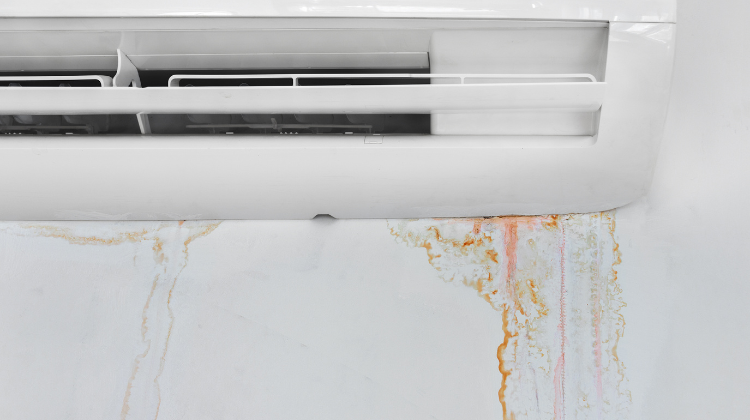
Why My Air Conditioner is Leaking Water
A leaky air conditioner can turn a cool summer day into a frustrating one. Not only is a puddle around your unit a nuisance, but it can also indicate a deeper problem within your system. This guide will help you understand why your air conditioner might be leaking water, how to identify the source of the leak, and what steps you can take to fix it.
Understanding the Basics of Air Conditioning Systems
How Does an Air Conditioner Work?
At its core, your air conditioner acts like a giant sponge, removing heat and moisture from your home. Here’s a simplified breakdown of the process:
- Warm air enters the unit. This air passes over a cold evaporator coil.
- Moisture condenses on the coils. As the warm air meets the cold coils, its moisture condenses into water droplets, similar to how sweat forms on a cold glass on a hot day.
- Water drains away. This condensate collects in a drain pan located underneath the evaporator coil. The pan channels the water to a drain line that carries it outdoors.
Common Causes of Water Leakage
Even though condensation is a normal part of the process, several factors can lead to excessive water buildup and leaks:
- Clogged drain line: This is the most common culprit. Dust, mold, or algae can accumulate in the drain line, blocking the water flow and causing it to back up into the unit.
- Full drain pan: If the drain pan overflows due to a clog or other issue, water can spill out and leak around the unit.
- Dirty air filters: A clogged air filter restricts airflow over the evaporator coil, making it colder than usual. This can lead to excessive condensation and potential leaks.
- Improper installation: If your air conditioner isn’t level or the drain line isn’t installed correctly, water may not drain properly.
- Low refrigerant levels: Refrigerant is essential for absorbing heat. Low levels can make the evaporator coil excessively cold, again leading to more condensation and potential leaks.
- Humidity levels: In very humid environments, your air conditioner may struggle to keep up with the moisture removal, increasing the risk of leaks.
Importance of Regular Maintenance
Regular ac maintenance is key to preventing leaks and keeping your air conditioner running smoothly. Here are some essential practices:
- Clean or replace air filters monthly. This ensures proper airflow and prevents the evaporator coil from overworking.
- Schedule professional tune-ups annually. A qualified technician can inspect your system for potential problems and clean components to prevent future issues.
Identifying the Source of the Leak
External Factors
Before diving into the air conditioner itself, consider external factors that might contribute to leaks:
- Extreme weather conditions: Heavy rain or clogged gutters can overwhelm your drainage system, causing water to back up into your air conditioner’s drain line.
- Poor insulation: Insufficient insulation in your ductwork can lead to condensation on the ducts, dripping onto your ceiling or walls.
Internal Issues
If external factors seem unlikely, it’s time to examine the air conditioner itself. Here’s what to look for:
- Overflowing drain pan: Check for a full drain pan or signs of water overflowing from it.
- Damaged drain line: Look for cracks, clogs, or disconnections in the drain line.
- Frozen evaporator coil: A layer of ice on the evaporator coil can indicate low refrigerant levels or restricted airflow, both of which can lead to leaks.
Signs to Look For
Beyond a visible puddle, keep an eye out for these warning signs:
- Unusual sounds: Gurgling or dripping noises coming from your air conditioner can indicate a drainage issue.
- Reduced cooling efficiency: If your air conditioner isn’t cooling your home as effectively as usual, it could be due to a leak or other problem.
- Musty odors: A musty smell around the air conditioner might indicate mold growth caused by moisture buildup.
DIY Solutions for Preventing Water Leakage
Proper Installation and Maintenance
If you’re comfortable with DIY tasks, here are some steps to prevent future leaks:
- Ensure your air conditioner is level and the drain line slopes downward to allow for proper drainage. Refer to your owner’s manual for specific recommendations.
- Clean or replace your air filters regularly according to the manufacturer’s instructions.
Cleaning and Unclogging
For minor clogs, you can try:
- Turning off the air conditioner and disconnecting the power supply.
- Locate the drain pan and drain line. Consult your owner’s manual for their exact location.
- Carefully remove any debris from the drain pan. You can use a wet/dry vacuum for this purpose.
- For the drain line, you can attempt to flush it with warm water.
- Be cautious when using harsh chemicals or long pipe cleaners to unclog the drain line. These can damage the delicate piping. If you’re unsure, it’s best to call a professional.
- After cleaning the drain pan and line, reconnect the power and turn the air conditioner back on. Observe for leaks.
Utilizing a Dehumidifier
In particularly humid environments, a dehumidifier can help reduce overall moisture levels in your home, taking some strain off your air conditioner and potentially preventing leaks. Here’s what to consider:
- Dehumidifier capacity: Choose a dehumidifier with a capacity suitable for the size of your space.
- Drainage options: Look for models with a built-in reservoir that needs emptying or a continuous drain option that connects directly to your drain system.
When to Seek Professional Assistance
While some DIY solutions can address minor leaks, there are times when calling a professional HVAC technician is recommended:
- Persistent leaks: If you continue to experience leaks after trying DIY troubleshooting, it’s best to call a professional to diagnose the underlying issue.
- Strange smells: A musty odor or any other unusual smells coming from your air conditioner could indicate mold growth or a refrigerant leak, both of which require professional attention.
- Low refrigerant levels: Adding refrigerant is a job for a qualified technician who has the proper equipment and training to handle refrigerants safely.
- Frozen evaporator coil: Addressing a frozen coil requires diagnosing the cause, which could be low refrigerant levels, restricted airflow, or a malfunctioning component. A technician can identify the root cause and fix the problem.
- Electrical issues: If you suspect any electrical problems with your air conditioner, never attempt repairs yourself. Call a qualified electrician to ensure your safety.
Importance of Timely Repairs
Ignoring a leak can lead to more significant problems down the line:
- Mold growth: Moisture buildup from leaks can create a breeding ground for mold, which can pose health risks and damage your indoor air quality.
- Increased energy consumption: A malfunctioning air conditioner with leaks will work harder to cool your home, leading to higher energy bills.
- Water damage: Persistent leaks can damage your floors, walls, and ceilings if left unattended.
By understanding the causes of leaks, taking preventative measures, and seeking professional help when needed, you can keep your air conditioner running smoothly and avoid the discomfort of a leaky unit. Remember, a cool and dry air conditioning system not only keeps you comfortable but also contributes to a healthier indoor environment for your home.
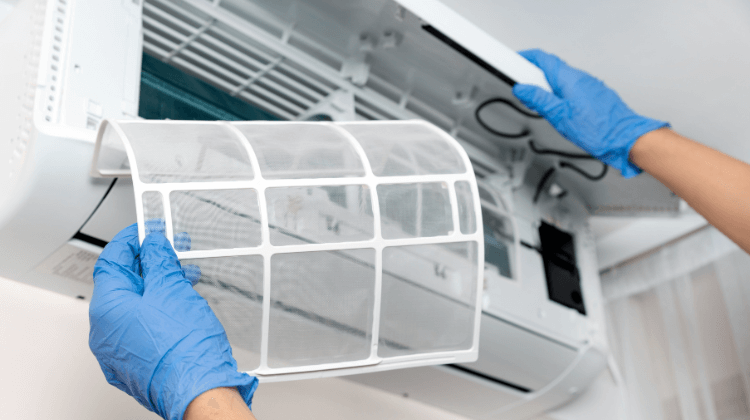
Air Conditioner Maintenance Checklist
As summer temperatures soar, maintaining a comfortable indoor environment becomes paramount. Your air conditioning system (HVAC) tirelessly combats the heat, providing a cool and refreshing haven. However, for peak performance and efficiency, regular preventive maintenance is essential. This comprehensive AC maintenance guide equips you with the knowledge and steps to keep your HVAC system operating smoothly throughout the season. We’ll delve into both do-it-yourself (DIY) tasks and scenarios where professional intervention is recommended.
The Advantages of Consistent Air Conditioner Maintenance
Before outlining the maintenance checklist, let’s explore the compelling benefits of regular AC care:
- Enhanced Efficiency: A well-maintained AC cools your home more effectively, resulting in lower energy consumption and reduced electricity bills.
- Extended System Lifespan: Regular maintenance identifies minor issues before they escalate into costly repairs, thereby prolonging the life of your HVAC unit.
- Superior Comfort: A meticulously maintained AC guarantees optimal cooling performance, ensuring a consistent and comfortable temperature within your home.
- Improved Indoor Air Quality: Clean air filters prevent dust and allergens from circulating throughout your residence, promoting superior indoor air quality for your occupants.
Air Conditioner Maintenance Checklist: DIY Tasks for Optimal Performance
Here are some straightforward maintenance tasks you can perform yourself to keep your AC in prime condition:
-
Prioritize Air Filter Replacement
This is the cornerstone of your AC maintenance regimen. A clogged air filter restricts airflow, forcing your AC to work harder to achieve the desired cooling temperature. This not only reduces efficiency and increases energy consumption but can also lead to component failure.
- Frequency: The recommended air filter replacement schedule depends on usage and dust levels in your environment. Generally, replace the air filter every 1-3 months. During peak cooling seasons (summer), more frequent replacements might be necessary.
- Filter Selection: Choose an air filter with a Minimum Efficiency Reporting Value (MERV) rating that aligns with your needs. Higher MERV filters capture smaller particles but may slightly restrict airflow.
- Pro Tip: Look for air filters with arrows indicating airflow direction. Ensure proper installation according to the designated airflow.
-
Implement Outdoor Unit Cleaning Practices
The outdoor unit, also known as the condenser unit, is situated outside your home and is responsible for releasing heat. Dirt, leaves, and debris can accumulate around the condenser unit, obstructing airflow and hindering its ability to expel heat effectively.
- Frequency: Clean the outdoor unit at least once a season, or more frequently if your environment is particularly dusty.
- Cleaning Method: Power off the AC unit and carefully remove any debris from around the unit. Use a garden hose with a gentle spray to clean the condenser fins. Avoid bending the delicate fins.
- Safety First: Never use a pressure washer to clean the condenser unit, as the high water pressure can damage the fins.
-
Verify Thermostat Settings
Your thermostat acts as the brain of your cooling system. Ensure it’s programmed accurately to maintain a comfortable temperature and optimize cooling cycles.
- Temperature Settings: During peak cooling seasons, set your thermostat to a comfortable temperature between 78°F and 80°F. Each degree lower can significantly increase your energy consumption.
- Auto Mode Function: Utilize the auto mode on your thermostat, which automatically adjusts cooling based on the pre-set temperature.
- Airflow Settings: Choose the appropriate airflow setting (e.g., auto or high) for optimal comfort and efficiency.
-
Inspect the Condensate Drain Line
The condensate drain line removes moisture collected during the cooling process. A clogged drain line can lead to water leaks and potential mold growth.
- Location: The condensate drain line typically exits the indoor unit and leads outside.
- Inspection Process: Look for signs of clogs or leaks around the drain line. You can also pour a small amount of water down the drain to check if it flows freely.
- Cleaning Considerations: While some homeowners may be comfortable cleaning the drain line with a wet/dry vacuum or readily available cleaning tools, if you’re unsure, consulting a professional is always recommended.
Engaging Professional AC Technicians for Optimal System Health
While several maintenance tasks are DIY-friendly, specific situations necessitate professional intervention. Here are some indicators that it’s time to call an AC technician:
- Uneven Cooling: If your home isn’t cooling evenly or specific rooms feel significantly warmer, there could be an issue with airflow, refrigerant levels, or a faulty component.
- Unusual Noises: Unfamiliar grinding, clanging, or rattling noises emanating from your AC unit indicate potential mechanical problems.
- Leakage: Leaks around the indoor unit or refrigerant leaks on the outdoor unit signify a serious issue requiring professional attention.
- Reduced Airflow: Weak or insufficient airflow from your vents suggests a potential problem with the blower motor
Remember, a well-maintained AC system saves you money on energy bills and promotes better indoor air quality for your family.
And if you are seeking professional AC maintenance services in Lockport, IL, look no further than Winters Heating & Air Conditioning. We offer thorough inspections, meticulous cleaning, and expert repairs to ensure your AC system functions optimally. Schedule your AC maintenance appointment with Winters Heating & Air Conditioning today and experience the peace of mind that comes with a reliable and efficient cooling system.
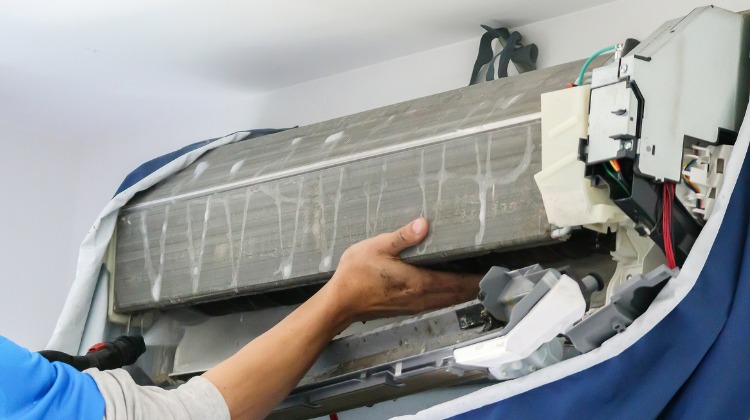
The Importance of Annual AC Servicing: A Must for Every Home
As the summer sun blazes down, our reliance on air conditioning systems becomes paramount for maintaining comfort within our homes. However, while we often take these systems for granted, they require regular attention and maintenance to function effectively. In this article, we’ll explore importance of annual AC servicing and why is not just advisable but essential for homeowners.
Why Annual AC Servicing Matters
Optimal Performance
- Dust, dirt, and debris accumulation within the AC system can significantly hinder its performance, resulting in reduced cooling efficiency.
- Through annual servicing, trained technicians thoroughly clean and inspect the system, ensuring all components are functioning optimally and addressing any potential issues before they escalate.
Improved Air Quality
- A neglected AC system with dirty filters and coils can circulate allergens, dust, and other pollutants throughout the home, compromising indoor air quality.
- Regular servicing involves cleaning or replacing filters and coils, leading to improved air quality and a healthier living environment for occupants.
Energy Efficiency
- Inefficient AC units not only struggle to cool the home effectively but also consume more energy, leading to higher utility bills.
- By conducting annual maintenance, technicians tune and calibrate the system for maximum efficiency, resulting in significant energy savings over time.
Extended Lifespan
- Regular maintenance helps identify and address minor issues before they escalate into major, costly problems.
- Through annual servicing, homeowners can extend the lifespan of their AC units, postponing the need for premature replacements and saving money in the long run.
The Preventive Approach
Identifying Potential Issues
- Annual servicing provides an opportunity for technicians to conduct thorough inspections, identifying any potential issues or wear and tear.
- By addressing these issues proactively, homeowners can avoid sudden breakdowns and costly emergency repairs, ensuring uninterrupted cooling comfort throughout the summer.
Warranty Compliance
- Many AC manufacturers require evidence of regular servicing to uphold warranties.
- By adhering to these maintenance requirements, homeowners not only protect their investment but also avoid the risk of voiding their warranty coverage due to neglect.
The Comfort and Convenience Factor
Uninterrupted Comfort
- A well-maintained AC system delivers consistent cooling comfort, even during the hottest days of summer.
- By scheduling annual servicing, homeowners can minimize the risk of unexpected malfunctions or breakdowns, ensuring uninterrupted comfort for their families.
Peace of Mind
- Knowing that their AC system is in top condition provides homeowners with peace of mind.
- By proactively scheduling annual servicing, homeowners can rest assured that their cooling needs are being met and that their investment is protected, without the worry of sudden system failures.
Conclusion: Importance of Annual AC Servicing
In conclusion, annual AC servicing is not just a recommended practice but a fundamental aspect of responsible homeownership. By prioritizing regular maintenance, homeowners can enjoy improved performance, enhanced indoor air quality, lower energy bills, and prolonged system lifespan. Rather than waiting for problems to arise, take a proactive approach by scheduling annual servicing and ensure your AC system operates smoothly, efficiently, and reliably throughout the summer months and beyond.
At Winters Heating & Air Conditioning, we understand the importance of annual AC servicing for every home. Our expert technicians are committed to ensuring that your AC system operates at its best, providing you with optimal comfort and efficiency throughout the summer months.
With our AC Maintenance Services in Lockport, IL, you can rest assured that your AC unit is in good hands. From cleaning and inspecting components to tuning and calibrating your system for maximum performance, we go above and beyond to meet your cooling needs.

DIY vs. Professional Maintenance of AC Systems: Making the Right Choice
As the mercury rises and the sun beats down, our trusty air conditioners become our lifelines to comfort and sanity. But just like any hardworking machine, AC systems require regular maintenance to stay in top shape. And when it comes to maintenance, the age-old question arises: DIY or professional AC maintenance?
In this article, we’ll delve into the pros and cons of both approaches, helping you make the informed decision that keeps your cool and your wallet happy.
Understanding The Importance Of Air Conditioner Maintenance
Regular maintenance of your AC system is crucial for several reasons:
- Enhanced Efficiency and Performance: A well-maintained system operates at peak efficiency, consuming less energy and lowering your cooling bills. Regular tune-ups keep components clean and lubricated, preventing friction and wear that can lead to decreased performance.
- Extended Lifespan: Proper maintenance significantly prolongs the life of your AC system. By addressing minor issues early on, you can prevent them from snowballing into costly repairs or even premature system failure.
- Improved Air Quality: Regular cleaning of filters and coils removes dust, pollen, and other allergens from the air you breathe, creating a healthier indoor environment.
- Peace of Mind: Knowing your AC system is in tip-top shape gives you peace of mind during the sweltering summer months. You can rest assured that your cool oasis will be there when you need it most.
DIY Maintenance: Taking Matters Into Your Own Hands
For the handy homeowner, DIY air conditioner maintenance can be a rewarding and cost-effective option. There are several tasks you can tackle yourself, such as:
- Replacing air filters: This is a simple and crucial task that should be done every month during peak season and less frequently during the off-season.
- Cleaning the evaporator coil: The evaporator coil is located indoors and can be accessed by removing the access panel. Use a soft brush and a mild cleaning solution to remove any dirt or debris.
- Cleaning the condenser coil: The condenser coil is located outdoors and is responsible for releasing heat. Use a garden hose to gently spray away any dirt or debris.
- Checking refrigerant levels: Refrigerant is a vital component of your AC system, and low levels can indicate a leak. While checking refrigerant levels is technically possible for DIYers, it’s generally recommended to consult a professional if you suspect a leak.
Professional Maintenance: Leaving It To The Experts
For those who prefer peace of mind and expert care, professional air conditioner maintenance is the way to go. A qualified HVAC technician can perform a comprehensive tune-up that includes:
- Thorough inspection of all system components: This includes checking electrical connections, belts, pulleys, and refrigerant levels.
- Cleaning of all coils, filters, and drains: Professionals have the tools and expertise to ensure a deep clean that removes even the most stubborn grime.
- Performance testing and adjustments: Technicians will test your system’s airflow, temperature output, and overall efficiency, making adjustments as needed to optimize performance.
- Identification and repair of potential problems: During the inspection, technicians can identify any potential issues before they turn into major breakdowns.
Making the Right Choice: DIY vs. Professional AC Maintenance
So, which option is right for you? Here are some factors to consider:
- Your Comfort Level: If you’re comfortable with basic maintenance tasks, DIY might be a good option. However, if the thought of opening up your AC unit sends shivers down your spine, calling a professional is the safer bet.
- Your Skills and Knowledge: Do you have the necessary skills and knowledge to safely and effectively maintain your AC system? If not, professional maintenance is the way to go.
- The Age of Your System: Older AC systems may require more frequent and specialized maintenance, making professional assistance even more important.
- Your Budget: DIY maintenance is generally cheaper than professional maintenance. However, the cost of professional repairs can far outweigh the cost of regular tune-ups in the long run.
Ultimately, the decision of whether to DIY or hire a professional comes down to your individual circumstances and preferences. Weigh the pros and cons carefully and choose the option that best suits your needs and budget.
Additional Tips for Maintaining Your AC System
- Schedule regular tune-ups with a qualified HVAC technician, ideally in the spring before the cooling season starts.
- Change your air filters regularly, as mentioned earlier.
- Keep the area around your outdoor unit clear of debris and vegetation.
- Turn off your AC system when you’re away for extended periods.
- If you notice any unusual sounds, smells, or decreased cooling performance, contact a professional immediately.
Conclusion
Keeping your cool shouldn’t feel like a gamble. Whether you choose the satisfaction of tackling maintenance yourself or the comfort of expert care, prioritize the health and efficiency of your air conditioning system. Remember, regular AC maintenance is an investment in comfort, savings, and peace of mind. By understanding the Air Conditioner Maintenance options available and tailoring your approach to your needs, you can ensure your trusty AC companion delivers years of cool bliss whenever the heat rolls in. So, grab your toolkit or call the pros, because a well-maintained AC system is the key to a summer filled with happy sighs and frozen smiles.
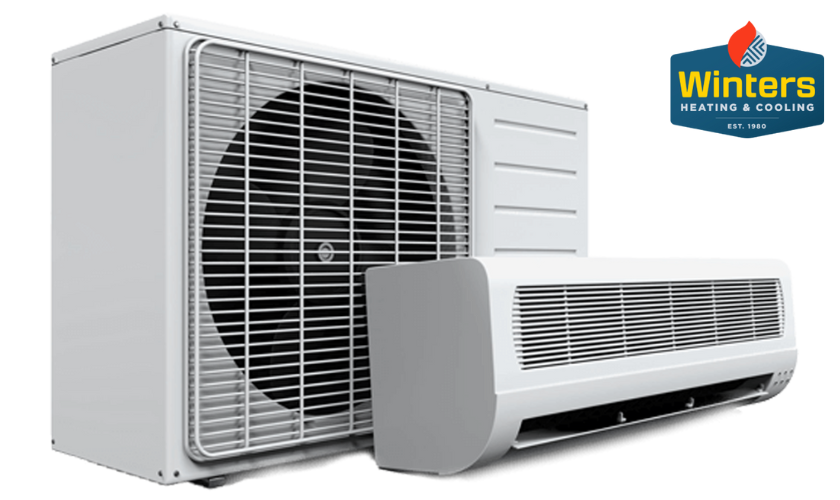
How To Make Your Air Conditioner Ready For Summer?
Without a properly functioning air conditioner, the summer’s sweltering heat is something you do not want to experience. Moreover, it helps ensure your air conditioning unit is in top shape before summer arrives. Waiting to examine your AC system and perform maintenance until you actually need it will be frustrating, inconvenient, and uncomfortable. Continue reading to find some quick steps to prepare your air conditioner for summer.
Make sure to change filters
A fresh, clean filter keeps your system operating more efficiently and improves the quality of the air inside your house. It is recommended to change your filter around once a month if you use your air conditioner consistently. A filter replacement is also advised if your machine has been in storage for several months, leading to dust accumulation during that time.
Clean condensation lines
It is recommended to change your filter around once a month if you use your AC consistently. Replacement of a filter is also advised if your machine has been in storage for several months, leading to the accumulation of dust during that time. A fresh, clean filter not only keeps your system operating more efficiently but also improves the quality of the air inside your house.
Cleaning the outer unit is important
If you keep your air conditioner operating during the off-season without covering the outer unit, it will be exposed to the weather and will gather dust with time. You may ensure that this dirt is not fouling up the external unit’s internal processes by lightly spraying the outer coils with water from a hose. In cases of severe dirt buildup, you can get commercial AC cleaning from a hardware shop.
Check the ducts
You should clean out the ductwork in your home just like you do your air conditioner for the benefit of your indoor air quality. Leaks in ducts are a regular occurrence. Make sure to seal any exposed joints or tiny holes if you notice them.
We hope you now know the tips prepare your air conditioner for the summer. Contact Winters Heating & Cooling if you are looking for top-quality air conditioner maintenance service in Lockport, IL.
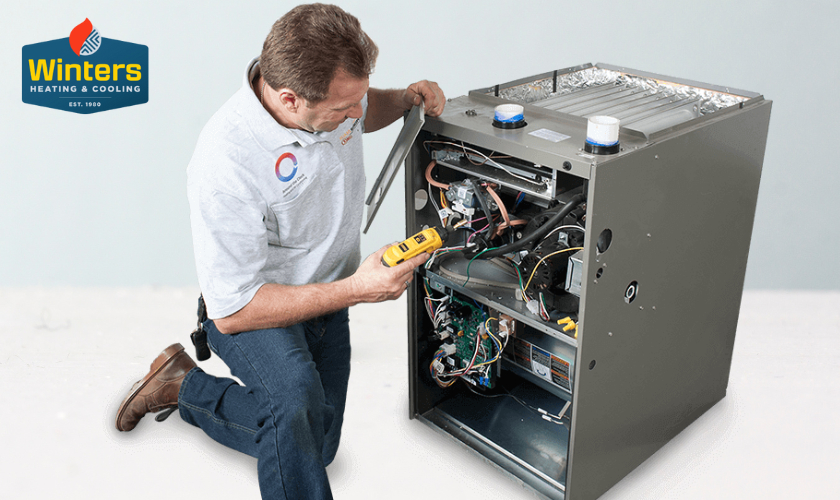
How To Get Your Air Conditioner Ready For Summer?
Are you someone who doesn’t want the skyrocketing summer energy bills this summer? Even though the energy bills will rise for sure during the summer months, there are a few actions you can take to prevent it from happening. By preparing your AC during the summer months, you can lower your energy bills. Furthermore, you can limit the expensive system breakdowns that could happen right at the moment when you need AC the most. Proper AC maintenance can also maximize the life of your HVAC system. Let’s look into some of the tips to prepare your air-conditioner for the hot summer month.
The three main components of AC include:
- A wall-mounted unit
- A wall-mounted indoor unit
- Air Ducts
Before starting the hot summer months, all these three components of AC need to be properly checked by an AC technician.
Inspecting AC Air Filters
The air filters play a significant role in properly regulating the room temperature and filtering out the dust, pollen, and other debris present within the HVAC system. The technician will check whether the AC filter is working properly or not. Depending on the air filter condition, the technician may change it if required. If the filter is clogged, it reduces the efficiency of the HVAC system. It means higher energy bills. It is one of the foremost reasons why checking the filter of an HVAC system is important. By removing the air filter, the air quality can be improved.
Inspect the Ductwork
The ductwork and the piping need to be inspected before the summer season. The HVAC technician in Lockport will carefully observe the ductwork for leaks, obstructions, debris, etc. The joints are also closely inspected by the technician.
Programmable Thermostat
Studies have suggested that programmable thermostats can help make air conditioning systems more efficient. Setback thermostats can be installed with ease and are also affordable. One of the key benefits of a programmable thermostat is that it helps the room remain at the desired temperature.
Remove debris from the exterior unit
You should at least leave two feet of clear space surrounding the HVAC system. The air can freely circulate around the HVAC unit.
Check the condensate removal system
Condensation occurs due to the flow of warm air through the cooling coil. There are various ways to remove it. The technician will check for the switches while getting the air conditioner system ready for summer.
Get in touch with the best HVAC Maintenance in Lockport, IL, to prepare your device for the hot summer months.
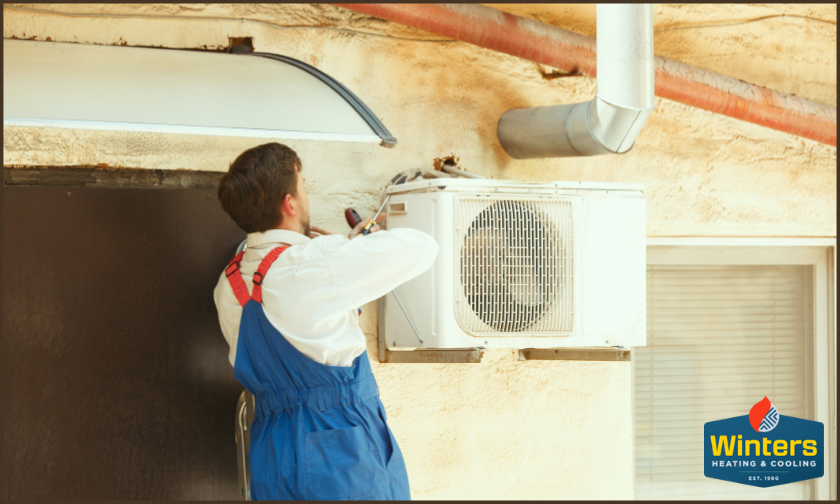
How to Keep your Room Cool with Proper AC Maintenance?
Irrespective of your location, air conditioner maintenance is very much required to utilize your AC’s potential effectively. Through regular maintenance, you can prevent incurring more expenses for AC repair, and you can save a lot of money during the hot summer month. Air conditioners can also affect your respiratory health. Ignoring the proper maintenance of your AC can put you at risk of having respiratory diseases.
Once you call up an AC technician in Lockport, they will come and closely examine the filters and vents for the presence of any build-up of fungus or dirt. The presence of such dirt or fungus can affect your lungs when you breathe the cold air blown by the AC. The technician ensures the vents and filters are cleaned properly. In addition to it, the technician will also observe the freon levels. The technician will do the needful to ensure that the performance of the AC is optimized. By increasing the efficiency of AC through regular maintenance, you can save on the bills by avoiding the need for any further repair.
You can also follow some basic tips to increase the performance of your air conditioning. It is better to close the curtains during the afternoon to make the cooling process quicker. It can reduce the temperature of a room at a faster rate. Ensure that the doors and windows are sealed since the cool air can pass through the gaps or cracks. Try to turn on ceiling fans to cool off a room before turning on the AC. You can reduce the temperature of a room quickly by turning on the ceiling fan compared to turning on an AC without turning on the fan.
Even though air conditioner repair can help if any technical problem arises, you should still prefer to change the unit as a whole. You may have to pay more bills for older units of AC that are not as efficient as the new units. These checkpoints need to be considered for better utilization and maintenance of the AC. It is desirable to have a semi-annual inspection or AC maintenance to address the existing AC issues and keep your home cooler always. For any AC maintenance and repair, contact your nearest AC installation, maintenance, service, and repair provider in Lockport, IL.