![As the temperature rises, the importance of a reliable air conditioning system becomes crystal clear. Whether you’re installing a new AC unit for the first time or replacing an outdated system, understanding what the installation process entails can help you prepare for what lies ahead. This guide will walk you through the key components of […]](https://www.wintersheatinginc.com/wp-content/uploads/2024/08/What-does-AC-installation-include-750x420.png "What Does AC Installation Include?")
As the temperature rises, the importance of a reliable air conditioning system becomes crystal clear. Whether you’re installing a new AC unit for the first time or replacing an outdated system, understanding what the installation process entails can help you prepare for what lies ahead. This guide will walk you through the key components of a professional AC installation, ensuring that you know exactly what to expect from start to finish.
When it comes to maintaining comfort in your home, an air conditioning system is indispensable. However, the journey to cool air starts with a successful installation. Unfortunately, many homeowners find the process confusing or overwhelming, especially with the variety of options and technical jargon involved. But knowledge is power. By understanding the ins and outs of AC installation, you can make informed decisions, ask the right questions, and ensure that your investment pays off in the long run.
This blog aims to demystify the AC installation process, from the initial evaluation to the final walkthrough. By the end, you’ll be equipped with the knowledge to ensure a smooth, efficient, and hassle-free installation experience.
1. Initial Assessment and Consultation
The first step in any AC installation process is a comprehensive assessment of your home. During this phase, an HVAC technician will visit your property to evaluate your cooling needs. They will consider several factors, such as:
- Square footage of your home: Larger homes require more powerful units to maintain consistent cooling.
- Insulation quality: Proper insulation reduces the strain on your AC unit by minimizing heat exchange.
- Number of windows and their placement: Windows can be a major source of heat gain, affecting the cooling load.
- Local climate: The typical temperature range and humidity levels in your area can influence the type of system best suited for your home.
This consultation helps the technician determine the appropriate size and type of AC unit for your space, ensuring efficiency and effectiveness. You’ll also discuss any preferences you have, such as energy efficiency, noise levels, and smart features.
2. Choosing the Right System
Once the assessment is complete, the next step is selecting the right air conditioning system. This decision will be guided by the results of the assessment, but you’ll also have choices to make based on your budget, energy efficiency goals, and brand preferences. Common options include:
- Central Air Conditioning: Ideal for cooling entire homes with a network of ducts.
- Ductless Mini-Split Systems: Perfect for homes without ducts or for zoning specific areas.
- Window Units: A more budget-friendly option for smaller spaces.
- Portable Units: Versatile but less efficient, suitable for temporary cooling needs.
Your technician will explain the pros and cons of each option, helping you weigh factors like upfront cost, long-term savings, and maintenance requirements.
3. Pre-Installation Preparations
Before the installation begins, some preparations are necessary to ensure a smooth process. These preparations may include:
- Permits and paperwork: Depending on your location, you may need permits for installing a new AC system. Your contractor typically handles this, but it’s important to verify.
- Scheduling the installation: Installation can take anywhere from a few hours to a full day, depending on the complexity of the job. It’s essential to plan accordingly, as you may need to stay home during this time.
- Clearing the work area: Ensure that the area where the installation will take place is clear of any obstacles. This might include removing furniture, plants, or other items that could be in the way.
These steps help prevent delays and allow the technicians to work efficiently.
4. The Installation Process
The actual installation involves several critical steps, each essential to the overall performance and longevity of your AC system. Here’s what typically happens:
- Old system removal: If you’re replacing an existing unit, the first step is to safely remove it. This includes disconnecting electrical components and refrigerant lines.
- Ductwork inspection and modification: For central air systems, the ductwork is a vital component. Technicians will inspect your ducts for leaks or blockages and make necessary repairs or modifications to ensure optimal airflow.
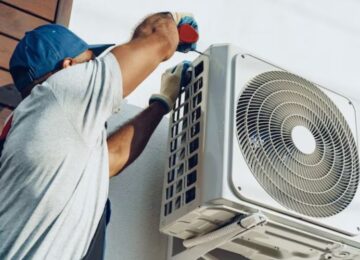
- Mounting the new unit: Whether it’s an outdoor condenser or an indoor air handler, the new unit is carefully positioned and secured. Proper placement is crucial to ensure efficient operation and easy access for future maintenance.
- Connecting refrigerant lines and electrical wiring: These connections must be made with precision to avoid leaks or electrical issues. Technicians will also ensure that the refrigerant levels are correct.
- Thermostat installation: If you’re upgrading to a new thermostat, this is when it will be installed and configured. Smart thermostats may require additional setup to connect with your Wi-Fi network and smartphone.
- Testing the system: Once everything is connected, the technician will test the system to ensure it’s working properly. This includes checking for leaks, verifying airflow, and measuring the temperature difference across the coil.
5. Post-Installation Review
After the installation is complete, the technician will walk you through the system’s features and operation. They’ll show you how to use the thermostat, explain any maintenance tasks you need to perform, and provide tips on energy-saving practices.
Additionally, they may schedule a follow-up visit to check on the system’s performance after it’s had some time to run. This is a good time to ask any lingering questions and ensure that everything is working as expected.
6. Clean-Up and Disposal
A professional AC installation also includes thorough clean-up. The technicians will remove any debris, old equipment, and packaging materials from your property. If you’ve had an old system removed, they will handle the disposal according to local regulations, ensuring that refrigerants and other materials are disposed of safely.
7. Final Inspection and Sign-Off
Before the technicians leave, they’ll perform a final inspection to ensure that everything is functioning correctly and safely. Once they’re satisfied, you’ll be asked to sign off on the job, acknowledging that the installation was completed to your satisfaction. You should also receive documentation, including the warranty details, service agreements, and contact information for future maintenance or repairs.
Installing a new air conditioning system is a significant investment in your home’s comfort and energy efficiency. Understanding what the installation process includes—from the initial assessment to the final inspection—empowers you to make informed decisions and ensures that you get the most out of your new system. By choosing a reputable HVAC contractor and staying informed throughout the process, you can enjoy a seamless installation experience and peace of mind knowing your home will stay cool for years to come.
FAQs
- How long does a typical AC installation take?
The duration of an AC installation can vary but typically ranges from 4 to 8 hours, depending on the complexity of the job.
- Do I need to be home during the AC installation?
Yes, it’s recommended that you be home during the installation to answer any questions the technicians may have and to learn how to operate your new system.
- Will my new AC unit come with a warranty?
Most AC units come with a manufacturer’s warranty, and many contractors offer additional labor warranties. Be sure to ask about the specifics during the purchase.
- Is it necessary to replace my ductwork during AC installation?
Not always, but if your ductwork is old, damaged, or inefficient, replacing it can improve your system’s performance and efficiency.
- Can I install an AC system myself?
While it’s technically possible, DIY installation is not recommended due to the complexity and potential hazards. Professional installation ensures safety and proper operation.
- What are the signs that my AC unit needs replacement rather than repair?
Frequent breakdowns, high energy bills, inconsistent cooling, and an AC unit older than 10-15 years are common indicators that replacement may be more cost-effective than repair.
- How do I choose the right AC system for my home?
Consult with an HVAC professional who can assess your home’s size, insulation, and cooling needs to recommend the best system for your space.