
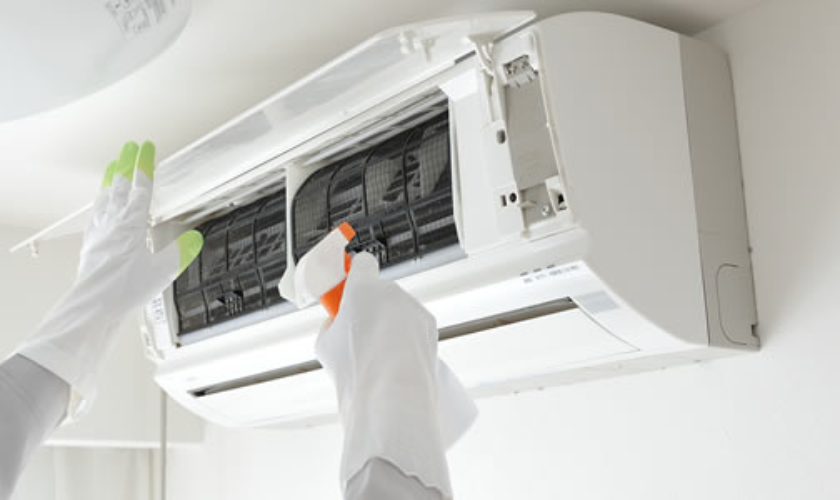
How Often Should Air Conditioning Units Be Serviced?
Maintaining a comfortable and energy-efficient home environment is crucial, especially during the sweltering summer months. An essential aspect of this is ensuring that your air conditioning (AC) unit is functioning at its best. Regular servicing of your AC unit is not just about comfort, but also about ensuring longevity, efficiency, and preventing unexpected breakdowns. But how often should these units be serviced? Let’s delve into this topic to provide a comprehensive understanding of AC maintenance.
Imagine coming home after a long, hot day, eager to relax in your cool and comfortable living room, only to find that your air conditioning unit has broken down. Such situations can be avoided with regular maintenance. Servicing your AC unit is akin to taking your car for regular check-ups. It keeps the system running smoothly, reduces the risk of costly repairs, and extends the lifespan of the unit. This blog will explore the importance of regular AC maintenance, the recommended servicing frequency, what the servicing entails, and the benefits of keeping your AC in top shape.
Why Regular AC Servicing is Important
1. Efficiency and Performance
Regular maintenance ensures that your AC unit operates at peak efficiency. Dust and debris can accumulate in the filters and coils, reducing the unit’s efficiency and causing it to work harder to cool your home. This not only increases energy consumption but also puts additional strain on the system, potentially leading to breakdowns.
2. Longevity of the Unit
Just like any other mechanical system, your AC unit has components that wear out over time. Regular servicing helps identify and address minor issues before they become major problems, thereby extending the lifespan of the unit. An AC unit that is well-maintained can last significantly longer than one that is neglected.
3. Improved Air Quality
The air quality in your home is directly impacted by the condition of your AC unit. Dirty filters and coils can harbor mold, bacteria, and other pollutants that are then circulated throughout your home. Regular servicing includes cleaning or replacing filters, ensuring that the air you breathe is clean and healthy.
4. Preventing Breakdowns
Nothing is more inconvenient than an AC breakdown during a heatwave. Regular maintenance helps identify potential issues early, reducing the likelihood of unexpected breakdowns. This proactive approach not only saves you from discomfort but also from costly emergency repairs.
How Often Should You Service Your AC Unit?
The frequency of servicing your AC unit depends on several factors, including the type of unit, the environment it operates in, and how heavily it is used. However, a general guideline is to have your AC unit serviced at least once a year.
1. Annual Servicing
Most experts recommend scheduling a professional service for your AC unit once a year, typically in the spring. This timing ensures that the unit is in optimal condition before the peak cooling season begins. An annual service should include a thorough inspection, cleaning, and any necessary adjustments or repairs.
2. Bi-Annual Servicing
In regions with extreme weather conditions or for units that run continuously, bi-annual servicing might be necessary. This includes a check-up before the summer season to ensure cooling efficiency and another after the season to prepare the unit for winter or to maintain heating functionality in heat pump systems.
3. Monthly and Quarterly Maintenance
While professional servicing is crucial, there are several maintenance tasks that homeowners can perform on a monthly or quarterly basis to keep their units running smoothly. These include:
- Monthly: Checking and replacing the air filters if necessary. Clogged filters can restrict airflow and reduce efficiency.
- Quarterly: Inspecting the outdoor unit to ensure it is free from debris like leaves and grass. Cleaning the coils and checking the refrigerant levels if you have the necessary expertise.
What Does AC Servicing Entail?
A professional AC service typically includes several key components to ensure that the unit operates efficiently and effectively:
1. Inspection and Cleaning
The technician will inspect the entire unit, including the indoor and outdoor components. They will clean the coils, fins, and filters, and remove any debris that might hinder the unit’s performance.
2. Checking Refrigerant Levels
Proper refrigerant levels are essential for cooling efficiency. The technician will check for any leaks and ensure that the refrigerant is at the correct level.
3. Thermostat Calibration
An accurate thermostat ensures that your AC unit maintains the desired temperature without overworking. The technician will calibrate the thermostat to ensure it functions correctly.
4. Electrical Component Check
Loose or damaged electrical connections can cause the unit to malfunction. The technician will inspect and tighten all electrical connections and test the voltage to ensure everything is in working order.
5. Lubrication of Moving Parts
Lubrication of moving parts reduces friction and wear, ensuring smooth operation and extending the lifespan of the components.
6. Ductwork Inspection
If your system has ductwork, the technician may inspect it for leaks or obstructions that could reduce efficiency.
Benefits of Regular AC Servicing
1. Cost Savings
While regular servicing does come with a cost, it is an investment that pays off in the long run. Efficiently running units consume less energy, reducing your utility bills. Additionally, identifying and addressing minor issues during routine maintenance can prevent expensive repairs down the line.
2. Enhanced Comfort
A well-maintained AC unit cools your home more effectively, maintaining a consistent and comfortable indoor environment.
3. Increased Reliability
Regular servicing ensures that your AC unit is reliable and less likely to break down, providing peace of mind during the hot summer months.
4. Better Environmental Impact
An efficiently running AC unit consumes less energy, reducing your carbon footprint. Regular maintenance also ensures that refrigerants are properly managed, minimizing their impact on the environment.
Regular servicing of your air conditioning unit is essential for maintaining efficiency, prolonging the unit’s lifespan, ensuring good air quality, and preventing unexpected breakdowns. While annual professional servicing is recommended, additional bi-annual checks and routine maintenance tasks can further enhance your unit’s performance. By investing in regular AC maintenance, you not only save on energy costs but also enjoy a comfortable and healthy living environment.
FAQs
- How often should I service my air conditioning unit?It is recommended to service your air conditioning unit at least once a year, ideally in the spring before the peak cooling season.
- What happens if I don’t service my AC unit regularly?Neglecting regular maintenance can lead to reduced efficiency, higher energy bills, poor air quality, and an increased risk of breakdowns and costly repairs.
- Can I perform any maintenance tasks myself?Yes, homeowners can perform simple tasks such as checking and replacing air filters monthly and inspecting the outdoor unit for debris quarterly.
- How long does a professional AC service take?A professional AC service typically takes between one to two hours, depending on the unit’s condition and the extent of the maintenance required.
- Is bi-annual servicing necessary?In regions with extreme weather or for units that operate continuously, bi-annual servicing can be beneficial to ensure optimal performance and longevity.
- What are the signs that my AC unit needs servicing?Signs that your AC unit needs servicing include reduced cooling efficiency, unusual noises, higher energy bills, and poor air quality.
- Can regular AC servicing save me money?Yes, regular servicing can improve efficiency, reduce energy bills, prevent costly repairs, and extend the lifespan of your unit, resulting in long-term savings.
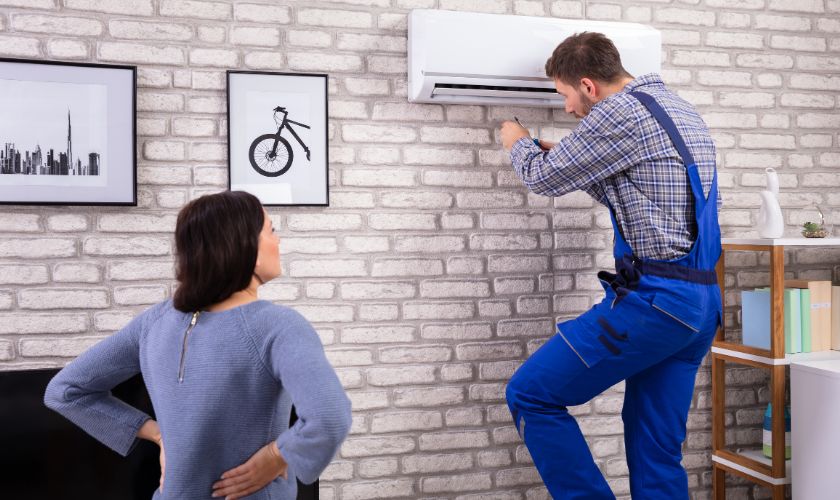
Top Signs Your Air Conditioner Requires Professional Attention
As summer’s scorching heat approaches, a well-functioning air conditioner becomes crucial. Yet, ACs can develop issues that need professional help. Identifying signs for timely intervention prevents discomfort and costly breakdowns. This guide covers top indicators, like unusual noises, inadequate cooling, and strange odors, signaling the need for expert care. Understanding these warnings empowers homeowners to act promptly, keeping their cooling system at peak performance for a cool and comfortable indoor environment all summer long.
Insufficient Cooling
Recognizing the Issue: Identify when the air conditioner fails to cool the space adequately, leading to discomfort and warmer indoor temperatures despite running the AC at a desired setting.
Potential Causes: Understand possible reasons for insufficient cooling, such as dirty air filters, refrigerant leaks, or malfunctioning components, which can hinder the AC’s ability to extract heat from the indoor air effectively.
Importance of Professional Attention: Seek professional assistance to diagnose and address the root cause of the issue. A skilled technician can perform necessary repairs, clean the system, and optimize its performance, restoring efficient cooling and comfort.
Unusual Noises
Identifying Unusual Noises: Pay attention to strange sounds coming from the air conditioner, such as rattling, banging, grinding, or squealing, which are not typical during normal operation.
Possible Causes: Unusual noises can indicate various mechanical problems within the AC system, including loose parts, worn-out bearings, damaged belts, or faulty fan blades.
Professional Inspection and Repairs: Contact a professional technician to conduct a thorough inspection of the air conditioner. They can pinpoint the source of the noise and perform necessary repairs or replacements to ensure the AC operates quietly and efficiently. Ignoring unusual noises may lead to further damage and costlier repairs over time.
Frequent On-Off Cycling
Understanding Short Cycling: Recognize when the air conditioner frequently turns on and off in short intervals, a phenomenon known as short cycling, which can disrupt the cooling process.
Causes and Implications: Short cycling may result from various issues, such as an oversized AC unit, a malfunctioning thermostat, refrigerant leaks, or blocked air filters. It reduces energy efficiency, increases wear and tear on components, and leads to uneven cooling.
Professional Solutions: Engage a professional HVAC technician to diagnose and resolve the underlying causes of short cycling. They can calibrate the thermostat, check refrigerant levels, clean or replace air filters, and perform necessary repairs to prevent further damage and ensure the AC operates optimally.
Weak Airflow
Identifying Reduced Airflow: Notice when the air conditioner’s airflow from the vents feels weak or insufficient, resulting in inadequate cooling and discomfort.
Potential Causes: Weak airflow may be due to clogged air filters, duct blockages, fan motor issues, or a failing blower motor, which hinders the proper circulation of conditioned air.
Seeking Professional Assistance: Engage a professional HVAC technician to inspect and address the root cause of weak airflow. They can clean or replace air filters, clear duct blockages, repair or replace faulty components, and optimize the AC’s airflow for improved cooling efficiency and comfort. Timely intervention prevents potential damage to the AC system and ensures consistent airflow throughout the space.
High Energy Bills
Recognizing Energy Spikes: Be mindful of sudden increases in energy bills, which may indicate that the air conditioner is consuming more energy than usual.
Inefficiencies and Causes: High energy bills can result from inefficient AC operation due to issues like dirty air filters, refrigerant leaks, faulty thermostat calibration, or an aging AC system.
Professional AC Maintenance: Consult a professional HVAC technician to perform comprehensive AC maintenance. They can clean or replace air filters, check for refrigerant leaks, calibrate the thermostat, and conduct necessary repairs to restore the AC’s energy efficiency. Regular maintenance helps optimize AC performance, resulting in lower energy consumption and cost savings.
Source – Heritage Home Service
In conclusion, recognizing the top signs that your air conditioner requires professional attention empowers homeowners to take proactive measures for optimal AC performance. Addressing issues such as insufficient cooling, unusual noises, and high energy bills through expert intervention ensures comfort, energy efficiency, and the longevity of the air conditioning system.