![Imagine coming home on a sweltering summer day only to find that your air conditioner has broken down. It’s a nightmare scenario that many homeowners have experienced, often because they neglected regular maintenance. Your air conditioner is one of the most important appliances in your home, especially during the hot summer months. However, it’s easy […]](https://www.wintersheatinginc.com/wp-content/uploads/2024/08/How-often-do-you-need-to-service-your-air-conditioner-750x420.png "How often do you need to service your air conditioner?")
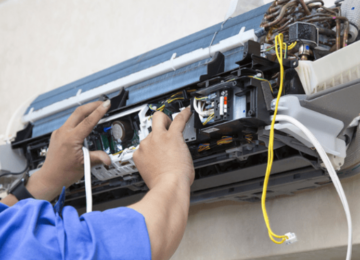
Imagine coming home on a sweltering summer day only to find that your air conditioner has broken down. It’s a nightmare scenario that many homeowners have experienced, often because they neglected regular maintenance. Your air conditioner is one of the most important appliances in your home, especially during the hot summer months. However, it’s easy to take it for granted—until something goes wrong. Regular servicing is key to preventing unexpected breakdowns, ensuring your AC operates efficiently, and extending its lifespan.
But how often should you schedule these maintenance checks? Is an annual tune-up enough, or should you be checking in more frequently? Let’s dive into the details to understand the optimal maintenance schedule for your air conditioning system.
How Often Should You Service Your Air Conditioner?
Experts generally recommend that you service your air conditioner at least once a year. The best time to do this is during the spring, just before the heavy usage season starts. This timing allows you to catch any potential issues early, ensuring your AC is ready to keep your home cool and comfortable when you need it most.
However, several factors may influence how often you should service your air conditioner, including the age of the unit, the frequency of use, and your local climate. Let’s explore these factors in more detail:
1. Age of the Air Conditioner
Older air conditioning units require more frequent servicing. If your AC is more than 10 years old, it’s wise to have it inspected and serviced twice a year—once in the spring and once in the fall. This helps catch wear-and-tear issues that could lead to costly repairs or a full system replacement if left unchecked.
2. Frequency of Use
If you live in an area where the air conditioner is used year-round, or if your system runs nearly constantly during the summer, you might need to service it more often. Heavy usage can put additional strain on the system, causing parts to wear out more quickly. In such cases, biannual servicing can keep your AC running efficiently and prevent unexpected breakdowns.
3. Local Climate
Your local climate can also impact the frequency of AC servicing. If you live in a humid area, your system will need more attention due to the extra work required to remove moisture from the air. Dusty or salty environments, such as those near the coast or in desert regions, may also necessitate more frequent maintenance to keep the system free from debris and corrosion.
What Does an AC Service Include?
Understanding what’s involved in an AC service can help you appreciate its importance. During a routine maintenance visit, a certified technician will typically perform the following tasks:
1. Inspection and Cleaning
The technician will inspect the various components of your air conditioning system, including the compressor, fan, and coils. They will also clean the coils, drain lines, and filters to ensure the system is free of dust, debris, and mold that could hinder performance.
2. Checking Refrigerant Levels
Low refrigerant levels can significantly reduce your AC’s efficiency and cooling power. The technician will check the refrigerant levels and recharge the system if necessary.
3. Thermostat Calibration
Your thermostat controls the temperature of your home, so it’s crucial that it’s functioning correctly. The technician will calibrate the thermostat to ensure it’s reading the temperature accurately and maintaining your desired comfort level.
4. Lubrication of Moving Parts
Any moving parts, such as the fan motor, need to be lubricated to reduce friction and prevent wear and tear. Proper lubrication ensures the system runs smoothly and quietly.
5. Checking Electrical Connections
Loose or faulty electrical connections can be a safety hazard and cause the system to malfunction. The technician will tighten any loose connections and inspect the system for signs of electrical damage.
6. Testing the System
Finally, the technician will run a complete system test to ensure everything is working as it should. They will check the airflow, temperature output, and overall performance to confirm that your AC is ready for the season ahead.
Benefits of Regular AC Servicing
Regular servicing of your air conditioner offers numerous benefits, from improved efficiency to extended system life. Here’s why keeping up with maintenance is so important:
1. Enhanced Energy Efficiency
A well-maintained air conditioner runs more efficiently, using less energy to cool your home. This not only reduces your carbon footprint but also leads to lower utility bills.
2. Improved Air Quality
Over time, dust, dirt, and allergens can accumulate in your AC system. Regular cleaning during servicing ensures that the air circulating in your home is clean and healthy, reducing the risk of allergies and respiratory issues.
3. Longer System Lifespan
Just like any other mechanical system, your air conditioner will last longer if it’s properly maintained. Regular servicing helps identify and fix minor issues before they become major problems, extending the life of your system.
4. Fewer Breakdowns
Routine maintenance helps prevent unexpected breakdowns, especially during peak usage times. By catching issues early, you can avoid costly repairs and the inconvenience of living without air conditioning.
5. Better Cooling Performance
A well-serviced AC provides better cooling performance, keeping your home at a consistent, comfortable temperature. You’ll enjoy a more reliable and effective cooling experience throughout the season.
Signs Your Air Conditioner Needs Immediate Servicing
While annual maintenance is typically sufficient, there are some signs that your air conditioner may need servicing sooner. Be on the lookout for the following warning signs:
1. Unusual Noises
If your AC starts making strange noises, such as banging, clanking, or hissing, it could be a sign of a mechanical issue. Don’t ignore these sounds—they often indicate a problem that needs immediate attention.
2. Weak Airflow
If the airflow from your vents seems weak, even when the system is running at full power, it may indicate a blockage or a failing compressor. This is a clear sign that your AC needs to be serviced.
3. Foul Odors
Unpleasant smells coming from your air conditioner could be due to mold growth, burned-out wiring, or other serious issues. It’s important to address these odors promptly to prevent further damage.
4. High Humidity Levels
If your AC isn’t effectively removing humidity from your home, it’s not functioning properly. High humidity can lead to mold growth and make your home feel uncomfortable.
5. Sudden Increase in Energy Bills
An unexplained spike in your energy bills could indicate that your air conditioner is working harder than it should be, possibly due to a hidden issue. Servicing can help identify and resolve the problem.
Keep Your AC Running Smoothly with Regular Service
Your air conditioner is an essential part of your home’s comfort system, especially during the hot summer months. By scheduling regular servicing—at least once a year—you can ensure that your AC operates efficiently, lasts longer, and provides reliable cooling when you need it most. Pay attention to signs that your system may need extra attention, and don’t hesitate to call in a professional if you suspect a problem. With proper maintenance, you can avoid costly repairs, enjoy lower energy bills, and keep your home comfortable year-round.
FAQs
- How long does an air conditioner service take?
An air conditioner service typically takes 1 to 2 hours, depending on the condition of the system and the specific tasks involved.
- Is it necessary to service my AC every year?
Yes, annual servicing is recommended to ensure optimal performance, energy efficiency, and to prevent unexpected breakdowns.
- What happens if I don’t service my air conditioner regularly?
Neglecting regular service can lead to reduced efficiency, higher energy bills, more frequent breakdowns, and a shorter lifespan for your AC.
- Can I service my air conditioner myself?
While you can perform basic maintenance like cleaning or changing the filters, a professional technician should handle comprehensive servicing.
- How can I tell if my AC needs more frequent servicing?
Signs include unusual noises, weak airflow, foul odors, high humidity levels, or a sudden increase in energy bills.
- What is the best time of year to service my air conditioner?
The best time to service your AC is in the spring, before the heavy usage of the summer season begins.