Don’t Get Left in the Cold: Signs Your Furnace Needs Replacing Before Winter Hits in Lockport
As the temperatures begin to drop, preparing your home for the winter chill becomes essential. One of the most important things to consider is the health of your furnace. If you’ve noticed that your heating system is struggling, it could be a sign that your furnace needs replacing soon. Waiting too long to address these issues could leave you without heat when you need it most.
In this post, we’ll explore the signs that indicate your furnace is on its last legs and may need replacement before winter hits. By identifying these warning signs early, you can avoid costly repairs and stay warm throughout the season.
Rising Energy Bills
If you’ve noticed an increase in your heating bills, it could mean your furnace is working harder than necessary to heat your home. Over time, a furnace can lose its efficiency, causing it to consume more energy. This can result in higher utility costs without any change in how much heat you use.
Signs to watch for:
- Monthly energy bills are higher than normal.
- You haven’t made any changes to your heating habits.
If this sounds familiar, you may need a heating furnace placement in Lockport soon.
Inconsistent Heating Throughout Your Home
A furnace that’s not working properly often results in uneven heating. If you notice that some rooms are much colder than others, your furnace may be losing its ability to distribute heat evenly. This can be a sign that internal components are failing, and it may be time for a replacement.
Signs to look for:
- Hot and cold spots in different areas of the home.
- Rooms that remain cold despite adjusting the thermostat.
If your home isn’t staying at a consistent temperature, it’s a good indicator that your furnace needs replacing soon.
Strange Noises Coming from the Furnace
Furnaces are supposed to make some noise, but if you’re hearing unfamiliar sounds, it could be a warning sign. Rattling, popping, or buzzing sounds may indicate that there are damaged components inside. While some noises can be fixed, a furnace that is constantly making strange sounds likely needs replacing.
Sounds to be concerned about:
- Loud bangs or popping noises.
- High-pitched squeals or continuous rattling sounds.
These noises often signal a bigger problem with your furnace. It’s better to replace the unit than to keep dealing with constant repairs.
Frequent Repairs
If you’ve found yourself calling a technician regularly for repairs, your furnace is probably near the end of its lifespan. Constant breakdowns are not only a hassle but can be costly over time. If your furnace is reaching the 15-year mark or older and requires frequent repairs, it’s a good idea to consider a replacement.
Signs to consider:
- You’ve had multiple repairs in the past year.
- The cost of repairs is consistently high.
At some point, continuing to repair an old furnace becomes less cost-effective than replacing it entirely.
Age of the Furnace
The average lifespan of a furnace is around 15-20 years. If your furnace is approaching or surpassing this age, it’s likely losing efficiency. Even if your furnace is still running, it’s important to keep in mind that older models aren’t as energy-efficient as newer ones.
Signs to consider:
- The furnace is over 15 years old.
- Major components have never been replaced.
An older furnace will naturally begin to lose performance, and replacing it can help you avoid expensive repairs and higher energy bills.
Yellow or Flickering Pilot Light
Your furnace’s pilot light should burn blue. If it appears yellow or flickers frequently, it could indicate a gas issue, which may be dangerous. A yellow pilot light could be a sign of incomplete combustion, which can cause carbon monoxide leaks. If you see this sign, it’s essential to replace your furnace immediately to ensure safety.
Signs to look for:
- The pilot light is yellow, not blue.
- The pilot light flickers or frequently goes out.
If your furnace’s pilot light is malfunctioning, it’s not just a mechanical issue—it’s a safety concern. Don’t wait to replace it.
Increased Carbon Monoxide Levels
A furnace that’s not working properly can lead to dangerous situations, such as carbon monoxide leaks. If your furnace is old or malfunctioning, it could be emitting dangerous gases into your home. Ensuring optimal indoor air quality is essential for your family’s safety and well-being, starting with a reliable carbon monoxide detector. If you have a carbon monoxide detector, make sure it’s working properly, and always be on the lookout for symptoms like dizziness or headaches.
Signs to be aware of:
- The smell of gas in the home.
- Symptoms like headaches, dizziness, or nausea.
Carbon monoxide is extremely dangerous, so if you suspect a leak, turn off your furnace and contact a professional immediately.
Don’t Wait Until It’s Too Late
If your furnace is showing any of these signs, it’s time to consider replacing it before winter arrives in Lockport. Replacing an old or malfunctioning furnace will not only ensure that your home stays warm during the colder months, but it will also save you money on repairs and energy bills in the long run. Don’t wait until your furnace completely fails—take action now to ensure comfort and safety this winter.
A heating furnace replacement in Lockport can be an investment that keeps your home cozy and energy-efficient throughout the season. Don’t get left in the cold—act now!
How often should a furnace be replaced?
A furnace is the unsung hero of your home, keeping you warm during the frigid winter months. However, like all home appliances, furnaces don’t last forever. Whether you’re a new homeowner or someone who’s been enjoying the comfort of their furnace for years, you’ve likely wondered: How often should a furnace be replaced? Understanding the lifespan of your furnace and the signs that it may be time for a replacement can save you from unexpected breakdowns and costly repairs. In this comprehensive guide, we’ll explore the factors that influence furnace longevity, signs that your furnace may be nearing the end of its life, and tips for ensuring your heating system operates efficiently for as long as possible.
Factors Affecting Furnace Lifespan
While the average lifespan of a furnace is typically between 15 to 20 years, several factors can influence how long your furnace will last:
- Type of Furnace:
Different types of furnaces have varying lifespans. Gas furnaces, the most common type, generally last 15 to 20 years, while electric furnaces can last a bit longer, sometimes up to 25 years. Oil furnaces, which are less common, typically have a lifespan similar to that of gas furnaces.
- Quality of Installation:
Proper installation is crucial to the longevity of your furnace. An incorrectly installed furnace may experience more wear and tear, reducing its lifespan. Hiring a professional HVAC technician to install your furnace ensures it’s set up correctly, maximizing its operational life.
- Frequency of Maintenance:
Regular maintenance is one of the most critical factors in extending the life of your furnace. Annual check-ups and routine filter changes can prevent small issues from turning into major problems. Neglecting maintenance can lead to reduced efficiency and an increased likelihood of breakdowns, ultimately shortening the furnace’s lifespan.
- Usage:
How often and how hard your furnace has to work will also impact its longevity. A furnace in a cold climate that runs constantly during the winter may wear out faster than one in a milder climate with less use. Additionally, setting your thermostat at a high temperature can cause the furnace to work harder, leading to more frequent wear.
- Air Quality:
The air quality in your home plays a role in how long your furnace will last. Dust, dirt, and other particles can clog filters and strain the furnace, reducing its efficiency and lifespan. Installing high-quality air filters and changing them regularly can help mitigate these effects.
- Size of the Furnace:
A furnace that is too large or too small for your home will experience unnecessary strain. An oversized furnace will cycle on and off more frequently, leading to more wear, while an undersized furnace will have to work harder to heat your home, both of which can reduce the system’s lifespan.
Signs It’s Time to Replace Your Furnace
Even with proper maintenance, there comes a time when every furnace must be replaced. Here are some signs that your furnace may be nearing the end of its life:
- Age of the Furnace:
If your furnace is over 15 years old, it’s time to start planning for a replacement, even if it seems to be working fine. Older furnaces are less energy-efficient and more prone to breakdowns.
- Rising Energy Bills:
An increase in your heating bills without a corresponding increase in usage is a red flag. As furnaces age, they lose efficiency, causing them to use more energy to heat your home.
- Frequent Repairs:
If you find yourself calling a technician for repairs more often than not, it might be more cost-effective to invest in a new furnace. The cost of frequent repairs can quickly add up, making replacement the better financial decision.
- Inconsistent Heating:
If some rooms in your home are warm while others are cold, or if the furnace struggles to maintain a consistent temperature, it may indicate that your furnace is no longer operating efficiently.
- Strange Noises:
Unusual noises such as banging, rattling, or squealing coming from your furnace are often signs of mechanical issues. While some problems can be repaired, frequent or loud noises usually indicate that the furnace is on its last legs.
- Yellow Burner Flame:
A furnace’s burner flame should be blue. A yellow flame could indicate that the furnace is producing carbon monoxide, a dangerous and potentially deadly gas. This is a serious issue that requires immediate attention and may necessitate replacing the furnace.
- Dry or Dusty Air:
If you notice an increase in dust or your home feels unusually dry, it could be a sign that your furnace is no longer able to properly humidify and filter the air, indicating that it’s time for a replacement.
The Benefits of Replacing Your Furnace
While the cost of a new furnace can be significant, the benefits of replacement often outweigh the initial expense. Here are some advantages to consider:
- Improved Energy Efficiency:
Newer furnaces are much more energy-efficient than older models, meaning you’ll save on your energy bills over time. Modern furnaces are designed to meet higher energy standards and often come with energy-saving features like variable-speed motors.
- Enhanced Comfort:
A new furnace can provide more consistent heating throughout your home, eliminating cold spots and improving overall comfort.
- Lower Maintenance Costs:
A new furnace will require fewer repairs, reducing your maintenance costs. Additionally, many new furnaces come with warranties that cover parts and labor for several years.
- Better Air Quality:
Modern furnaces often include advanced filtration systems that improve indoor air quality by reducing dust, allergens, and other particles.
- Increased Home Value:
If you’re planning to sell your home, a new furnace can be a selling point for potential buyers. A modern, energy-efficient furnace adds value to your property and provides peace of mind to buyers.
Knowing when to replace furnace is essential for maintaining a comfortable, energy-efficient home. While the general rule of thumb is to replace your furnace every 15 to 20 years, it’s important to consider factors like the furnace’s age, frequency of repairs, and overall efficiency. By keeping an eye out for the signs that your furnace may be nearing the end of its life and planning ahead, you can avoid the stress and inconvenience of a sudden breakdown. Ultimately, investing in a new furnace not only enhances your home’s comfort and air quality but also saves you money in the long run through improved energy efficiency and lower maintenance costs.
FAQs
- How often should a furnace be serviced?
A furnace should be serviced annually to ensure it’s operating efficiently and to catch any potential issues before they become major problems.
- Can I extend the life of my furnace?
Yes, regular maintenance, including changing filters and scheduling annual tune-ups, can help extend the life of your furnace.
- What is the most energy-efficient furnace?
High-efficiency furnaces with an Annual Fuel Utilization Efficiency (AFUE) rating of 90% or higher are the most energy-efficient options available today.
- Is it worth repairing an old furnace?
If your furnace is nearing 15 to 20 years old and requires frequent repairs, it may be more cost-effective to replace it rather than continue with repairs.
- How can I improve my furnace’s efficiency?
To improve efficiency, ensure regular maintenance, seal air leaks in your home, use a programmable thermostat, and change filters regularly.
- What should I consider when buying a new furnace?
Consider factors like energy efficiency, size, fuel type, and cost. Consulting with an HVAC professional can help you make the best choice for your home.
Signs It’s Time for a Heating Furnace Replacement
As the frosty chill sets in, your home’s heating furnace becomes an unsung hero, keeping you snug and cozy. However, just like any other appliance, furnaces have a finite lifespan. Knowing the telltale signs indicating a need for replacement is crucial to avoid unexpected breakdowns and maintain a warm haven. In this insightful guide, we’ll unravel the key indicators signaling it’s time for a heating furnace replacement. From escalating energy bills and uneven heating to peculiar noises or persistent odors, recognizing these signs empowers you to ensure optimal efficiency and warmth in your home. Let’s dive into the essential signals your furnace might be sending your way!
Age of the Furnace
One of the primary indicators to consider is the age of your furnace. Typically, the average lifespan of a furnace ranges between 15 to 20 years. As your furnace approaches or surpasses this timeframe, its efficiency can significantly decline, resulting in higher energy bills and frequent repairs. If your furnace is nearing this age range, it’s prudent to start considering a replacement.
Increasing Energy Bills
Have you noticed a sudden spike in your energy bills despite regular usage patterns? This could be a red flag indicating your furnace is working inefficiently. As furnaces age, they tend to lose their efficiency, leading to increased energy consumption. If you’re experiencing unexplained rises in your heating costs, it might be a sign that your furnace is struggling and needs replacement.
Frequent Repairs
A furnace that requires frequent repairs often signals the end of its lifespan. While minor repairs are expected over time, if you find yourself frequently calling in technicians for major fixes, it might be more cost-effective in the long run to invest in a new heating system. Continuously repairing an aging furnace can become financially burdensome compared to the cost of a new, more efficient model.
Uneven Heating or Inconsistent Temperatures
Do you notice certain areas of your home need to be adequately heated, or do you experience fluctuating temperatures throughout different rooms? Uneven heating can be an indication of a failing furnace. As furnaces age, they struggle to distribute heat evenly, resulting in hot or cold spots. If you’re constantly adjusting the thermostat to achieve consistent temperatures without success, consider a new furnace.
Strange Noises or Unusual Odors
Unusual noises such as banging, rattling, or squealing coming from your furnace can indicate mechanical issues. Similarly, strange odors, especially persistent burning smells, could signal potential hazards like overheating or electrical problems. Ignoring these signs can pose safety risks to your home. It’s crucial to have a professional inspect your furnace and consider a replacement if these issues persist.
In conclusion, keeping your home’s heating furnace in optimal condition is crucial for a cozy and efficient living space. Recognizing the signs indicating a need for replacement—such as age-related inefficiencies, rising energy bills, frequent repairs, uneven heating, or unusual sounds—is pivotal. Prioritizing regular maintenance and promptly addressing any concerning issues ensures a comfortable, safe, and cost-effective heating system. Don’t hesitate to consult with HVAC professionals for expert guidance and timely heating furnace replacements. By staying vigilant and proactive, you not only guarantee warmth during winter but also enhance energy efficiency, contributing to a more sustainable and enjoyable home environment for you and your loved ones.

What Are The Signs Of Replacing Heating Furnace?
If your furnace has been around for more than 25 years, it’s undoubtedly nearing the end of its useful life. Replacing the furnace on time has various benefits.
The decision should not be based only on this, as previously stated. It’s possible to replace a furnace in service for 15 years, or it could last for 30 years.
To get the replacement of heating furnace done in a professional way, ask for experts of Winters Heating & Cooling in Lockport, IL.
Signs Of Replacing Heating Furnace
Energy costs are rising.
You won’t see much of a change in your energy costs month to month, but compared to last year and the year before, you get the idea. It’s easier to keep track of your expenditures if you look at your bills yearly. This means that if it was a freezing winter, or you moved, or anything else that can impact daily use will have to be included.
Nevertheless, if your usage has remained constant and your utility bills have risen, an inefficient furnace may be to blame. Either that or your energy provider is constantly boosting prices.
Ordinary Noises
The same holds for this issue, but to a lesser extent. A malfunctioning furnace may make strange noises.
It may only be a one-time occurrence if it’s the first time you’ve turned on your furnace for the winter. If dirt and dust accumulate near the igniter, the flames may make a popping sound as they ignite.
However, there’s undoubtedly a problem if it’s still rattling and banging several months into winter.
The problem may be fixable. However, this should not be seen as a cause to make snap judgments. Make an appointment with a HVAC repair and maintenance professional in Lockport, IL, to have your furnace checked out.
Bad Smell
If you notice a gas smell after turning on your furnace for the first time this year, don’t ignore it; instead, shut it down immediately.
Don’t take any chances with the health of your family’s well-being if you notice any other strange smells. Turn off your furnace and call a professional in Lockport, IL.
Uneven Room Temperatures
How often do you find yourself fiddling with the thermostat? Or perhaps one room is noticeably colder than the other? Both of these symptoms point to a furnace that can no longer handle the workload it previously took.
Too Many Services
In the past, have you ever had a vehicle that required frequent maintenance? What were you doing?
One of two things occurs to you most of the time. The sentimental value of the item keeps you maintaining it or trading it in for a newer one, right? Unless your furnace is decorated with the initials of your first love, it’s unlikely to evoke any kind of sentiment.
The latter two years of a furnace’s life are the most troublesome for breakdowns. Repairing that rusted-out old jalopy will only cost you more money in the long run.
You can tell whether your furnace is on its last legs if the technician needs to order parts to repair it. There are fewer and fewer parts available for older systems. You and your family will have to spend additional nights outside in the cold because of this delay.
When you know the lifespan of your furnace replacement, Call professionals from Winters heating & Cooling to replace the furnace at affordable prices. Call us to book our services.
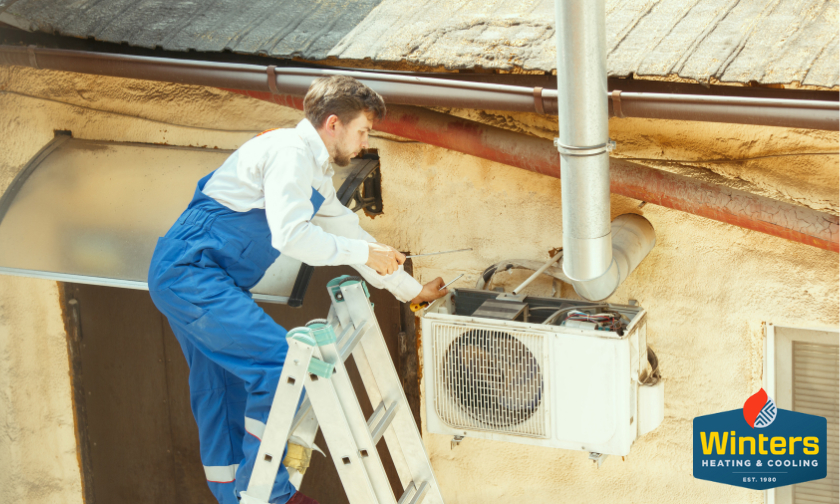
How Can You Benefit From Heating Furnace Replacement?
If you live in that part of the country where the climate is cold, you might be familiar with furnaces and their importance. It is of utmost importance for those who require warmth within their household, especially during winter. A furnace may not need a periodical replacement as that of other devices. However, if you are paying a lot on the bills, you should change the furnace to an energy-efficient one.
Energy-Efficient Heating Furnace
An energy-efficient furnace will give you the utmost safety by running for an extended period to keep your home warmer. It also keeps your family comfortable since enough heat during freezing months with the help of accurate temperature settings provides utmost convenience to the entire family members living within the home. Similarly, the aesthetic appeal of a new and efficient furnace is also yet another benefit. It can be a sore to the eyes to see an appliance such as a heating furnace that has long become obsolete. It is always desirable to use a new furnace that makes use of advanced technology.
Need For Proper Maintenance
Even if you replace the furnace, it may still need regular maintenance from a heating furnace repair and maintenance professional in Lockport, IL. Proper maintenance will help the furnace to last longer and perform efficiently. It would be best to always keep the area around the unit clean so that dust is always kept at bay. There are some additional points that you can consider. You should ensure that the windows are kept open during sunny winter days, which will help the heat to get into the room. However, at night, you should close the windows so that the heat stays in. Similarly, the thermostat should be programmed so that it has been set for seasons. It thus helps you in saving more energy and money.
It would be best to get assistance from the company that installed your heating furnace for energy management tips. They will provide you with advice about how the energy-efficient furnace works and how you benefit from it. A good heating and air conditioning company in Lockport will be available for your assistance as and when you need it. Their responsibility is to provide you with a furnace replacement and provide you with heating furnace repair and service. With some valuable tips from the heating and AC company in Lockport, IL, you can make your heating furnace perform more efficiently.