
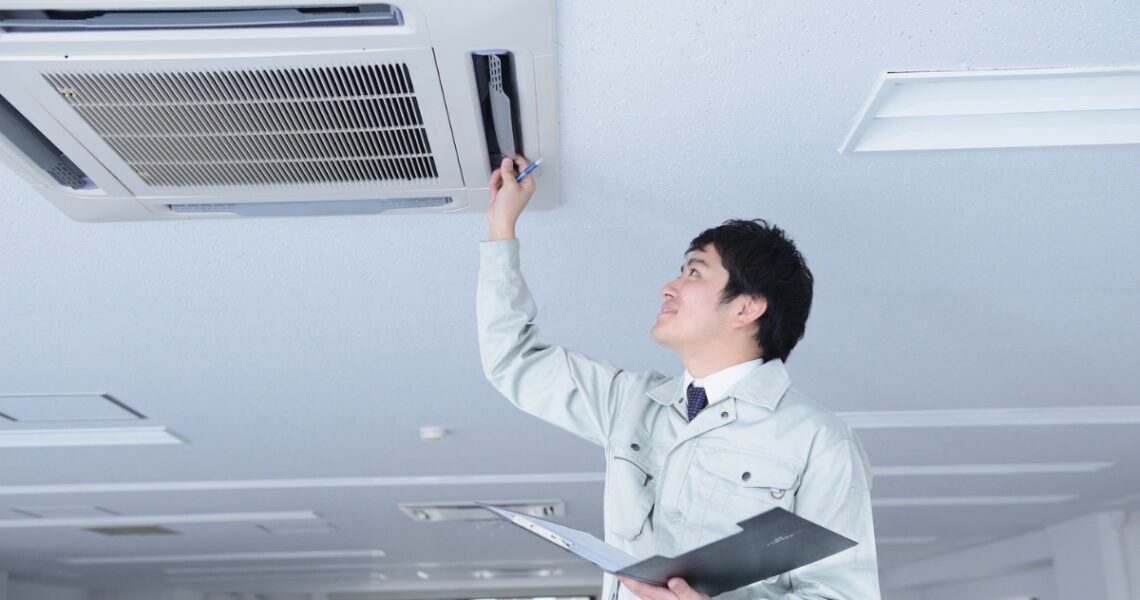
Is Your AC Drain Line Clogged? How to Spot the Signs and Flush it Out
Your AC is on, but your house still feels muggy. The more likely culprit may be lurking in your system’s drain line. The AC drain line helps remove the condensation that appears whenever the air conditioner is running. A clogged drain will wreak havoc on the entire system and cause leaks, moist air, and unwanted smells. This part is easy to forget, and it’s what can cause your unit’s lifespan to be shortened.
Timely air conditioner maintenance excludes clogging and guarantees the unit’s performance. This guide reveals the signs of a clog and simple ways to safely drain it.
Understanding the Function of the AC Drain Line
The air conditioning system generates condensation as hot air condenses on evaporator coils. The drain line carries the water outside and dry and balance your system. Dirt, dust, algae, and mold can build up over time, narrow the pipe, and restrict flow. Debris leads to restricted flow and backups.
If not serviced, clogs produce water leaks and humidity problems. Routine air conditioner service in Lockport includes checking this important line for blockage. After that line becomes clogged, your system begins to send audible and visual warning signals.
Common Indications Your AC Drain Line Is Clogged
Water Leaking Around the Indoor Unit
Leaks near your air handler are a sign that water cannot drain properly. It’s a sure call for air conditioner service.
Musty or Moldy Smells
Stagnant water in the drain promotes mold growth and bacteria. Foul smells indicate that cleaning is imperative.
Inadequate Cooling or AC Switching Off Suddenly
Your AC might switch off suddenly due to overflow sensors. This safety feature prevents damage but necessitates immediate air conditioner service.
Excessive Indoor Humidity
When draining stops, water collects indoors and can make the air feel sticky and unpleasant. Your unit needs immediate attention.
How to Clear a Clogged AC Drain Line Safely
Turn off your HVAC system before starting.
Step 1: Locate the drain line access near the indoor unit or condensate pan.
Step 2: Remove visible debris with a wire or wet/dry vacuum.
Step 3: Pour through ¼ cup vinegar and 1 cup warm water. The solution kills algae and prevents buildup.
Step 4: Run clean water for proper flow.
Step 5: Reconnect everything, then restart the system. Regular air conditioner maintenance will keep the drain line free after cleaning.
Prevention Tips to Keep Your Drain Line Clear All Year Round
Get professional air conditioner service in Lockport yearly to avoid repeat blockages. Flush your drain line every 30 to 60 days during intense cooling seasons. Use vinegar regularly rather than strong chemicals that will damage pipes.
Change air filters monthly to limit dirt entering the system. Clean filters enhance airflow and keep condensation from building up. Regular attention makes your AC run efficiently year-round. A little work now prevents expensive water damage.
When to Call a Pro
Some drain blockages do not respond to DIY solutions. In case of water accumulation or repeated leakages, call a technician. Electrical issues, moldy smells, or repeated breakdowns need professional analysis. Professionals provide deep cleaning and inspect for hidden issues.
Routine air conditioner service entails line flushing, pan inspection, and refrigerant level inspection. Specialists make your cooling system operate effectively during summer heat. Failure to address these problems can cause compressor breakdown or water overflow into walls and floors.
A clean drain line equals a strong AC system and clean air. Air conditioner service prevents breakdowns, mold, and moisture issues. A couple of minutes of maintenance saves you from expensive repairs later. Leaks and weak cooling shouldn’t be ignored.
Schedule our services before a minor issue becomes costly. Clean lines, good cooling, and dry air equate to every season being comfortable and worry-free.
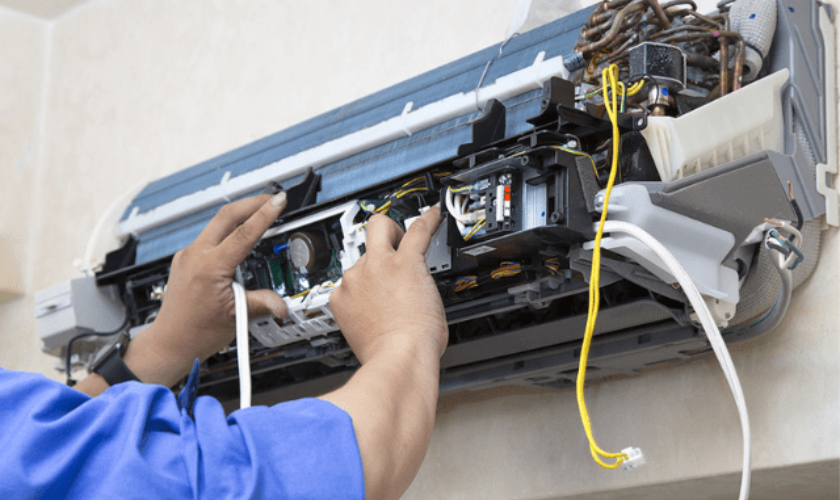
What to do to service air conditioner?
When the summer heat starts to rise, there’s nothing more comforting than walking into a cool, air-conditioned home. But what happens when your air conditioner suddenly stops working as efficiently as it used to? Regular servicing is key to keeping your AC in top condition and ensuring it runs smoothly when you need it most. In this guide, we’ll walk you through everything you need to know about servicing your air conditioner—from routine maintenance tasks you can do yourself to signs it’s time to call in a professional.
Why Regular Air Conditioner Servicing is Important
Just like your car, your air conditioner needs regular maintenance to function properly. Over time, dust and debris can accumulate in the unit, filters can become clogged, and components can wear out. Without proper servicing, your air conditioner may lose efficiency, leading to higher energy bills and a less comfortable home. Regular maintenance not only extends the lifespan of your unit but also helps you avoid costly repairs down the road.
Steps to Service Your Air Conditioner
- Turn Off the Power
Safety should always come first. Before you start servicing your air conditioner, make sure the power is turned off at the breaker box. This prevents any risk of electric shock while you’re working on the unit.
- Clean or Replace the Air Filters
Dirty air filters are one of the most common reasons for poor AC performance. Filters should be cleaned or replaced every 1-3 months, depending on how often you use your air conditioner. A clean filter improves airflow, enhances cooling efficiency, and keeps indoor air quality high.
- Inspect the Thermostat
Check that your thermostat is functioning correctly. If it’s an older model, consider upgrading to a programmable or smart thermostat, which can help you save energy by automatically adjusting the temperature when you’re not home.
- Clean the Condenser Coils
The condenser coils, located in the outdoor unit, can accumulate dirt, dust, and grime over time. This build-up reduces the unit’s ability to cool your home. To clean the coils, remove any debris around the unit and use a soft brush or coil cleaner to gently clean the coils. Be careful not to bend the fins.
- Check the Refrigerant Levels
Low refrigerant levels can cause your air conditioner to stop cooling properly. If you suspect low refrigerant, it’s best to call a professional to check and refill it. Handling refrigerant without proper training and equipment is dangerous and illegal in many areas.
- Inspect the Ductwork
Leaky ducts can significantly reduce the efficiency of your air conditioner. Inspect your ductwork for any visible leaks, gaps, or damage. If you find any, use duct tape or mastic sealant to seal the leaks. For extensive ductwork issues, consider hiring a professional.
- Clear the Drain Line
The drain line removes the moisture your air conditioner extracts from the air. Over time, algae, mold, and debris can clog the drain line, causing water to back up into your home. Use a wet/dry vacuum to clear the drain line or run a mixture of bleach and water through it to prevent clogs.
- Test the System
After completing these steps, turn the power back on and test your air conditioner. Listen for any unusual noises and check that the air coming out of the vents is cool. If everything seems to be working correctly, your AC is ready to keep you comfortable all summer long.
When to Call a Professional
While many air conditioner maintenance tasks can be done by homeowners, some issues require professional attention. If your air conditioner is still not cooling properly after you’ve cleaned and inspected it, or if you notice ice on the coils, strange noises, or a significant drop in airflow, it’s time to call a professional HVAC technician. Regular professional servicing, typically once a year, can prevent major issues and keep your system running efficiently.
Servicing air conditioner doesn’t have to be complicated. By following these simple steps, you can keep your AC in top shape and ensure it’s ready to beat the summer heat. Remember, regular maintenance is the key to a long-lasting, efficient air conditioning system. If you’re ever in doubt, don’t hesitate to call a professional. After all, a well-maintained air conditioner not only keeps you cool but also saves you money on energy bills and costly repairs.
FAQs
- How often should I service my air conditioner?
It’s recommended to service your air conditioner at least once a year, preferably in the spring before the cooling season begins.
- Can I service my air conditioner myself, or should I hire a professional?
Basic maintenance tasks like cleaning filters and coils can be done by homeowners, but it’s wise to hire a professional for annual servicing and more complex issues.
- What are the signs that my air conditioner needs servicing?
Signs include reduced cooling efficiency, unusual noises, increased energy bills, and weak airflow from the vents.
- How do I clean my air conditioner’s condenser coils?
Turn off the power, remove debris from around the unit, and gently clean the coils with a soft brush or a specialized coil cleaner.
- Why is my air conditioner leaking water?
A clogged drain line or a low refrigerant level could be the cause. Clearing the drain line or calling a professional to check the refrigerant can resolve the issue.
- How can I improve my air conditioner’s efficiency?
Regularly clean or replace filters, seal any leaks in the ductwork, and keep the condenser unit free of debris.
- Is it worth upgrading to a programmable thermostat?
Yes, a programmable or smart thermostat can save energy by adjusting the temperature when you’re not home, improving overall efficiency.
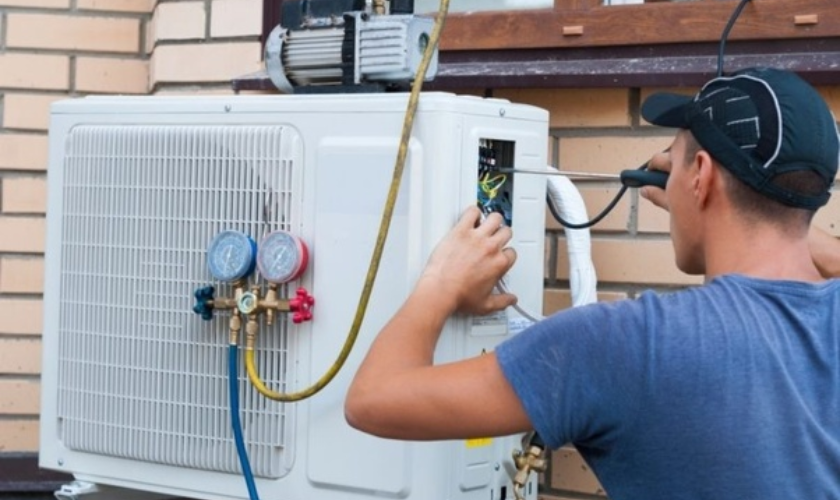
How often do you need to service your air conditioner?
Imagine coming home on a sweltering summer day only to find that your air conditioner has broken down. It’s a nightmare scenario that many homeowners have experienced, often because they neglected regular maintenance. Your air conditioner is one of the most important appliances in your home, especially during the hot summer months. However, it’s easy to take it for granted—until something goes wrong. Regular servicing is key to preventing unexpected breakdowns, ensuring your AC operates efficiently, and extending its lifespan.
But how often should you schedule these maintenance checks? Is an annual tune-up enough, or should you be checking in more frequently? Let’s dive into the details to understand the optimal maintenance schedule for your air conditioning system.
How Often Should You Service Your Air Conditioner?
Experts generally recommend that you service your air conditioner at least once a year. The best time to do this is during the spring, just before the heavy usage season starts. This timing allows you to catch any potential issues early, ensuring your AC is ready to keep your home cool and comfortable when you need it most.
However, several factors may influence how often you should service your air conditioner, including the age of the unit, the frequency of use, and your local climate. Let’s explore these factors in more detail:
1. Age of the Air Conditioner
Older air conditioning units require more frequent servicing. If your AC is more than 10 years old, it’s wise to have it inspected and serviced twice a year—once in the spring and once in the fall. This helps catch wear-and-tear issues that could lead to costly repairs or a full system replacement if left unchecked.
2. Frequency of Use
If you live in an area where the air conditioner is used year-round, or if your system runs nearly constantly during the summer, you might need to service it more often. Heavy usage can put additional strain on the system, causing parts to wear out more quickly. In such cases, biannual servicing can keep your AC running efficiently and prevent unexpected breakdowns.
3. Local Climate
Your local climate can also impact the frequency of AC servicing. If you live in a humid area, your system will need more attention due to the extra work required to remove moisture from the air. Dusty or salty environments, such as those near the coast or in desert regions, may also necessitate more frequent maintenance to keep the system free from debris and corrosion.
What Does an AC Service Include?
Understanding what’s involved in an AC service can help you appreciate its importance. During a routine maintenance visit, a certified technician will typically perform the following tasks:
1. Inspection and Cleaning
The technician will inspect the various components of your air conditioning system, including the compressor, fan, and coils. They will also clean the coils, drain lines, and filters to ensure the system is free of dust, debris, and mold that could hinder performance.
2. Checking Refrigerant Levels
Low refrigerant levels can significantly reduce your AC’s efficiency and cooling power. The technician will check the refrigerant levels and recharge the system if necessary.
3. Thermostat Calibration
Your thermostat controls the temperature of your home, so it’s crucial that it’s functioning correctly. The technician will calibrate the thermostat to ensure it’s reading the temperature accurately and maintaining your desired comfort level.
4. Lubrication of Moving Parts
Any moving parts, such as the fan motor, need to be lubricated to reduce friction and prevent wear and tear. Proper lubrication ensures the system runs smoothly and quietly.
5. Checking Electrical Connections
Loose or faulty electrical connections can be a safety hazard and cause the system to malfunction. The technician will tighten any loose connections and inspect the system for signs of electrical damage.
6. Testing the System
Finally, the technician will run a complete system test to ensure everything is working as it should. They will check the airflow, temperature output, and overall performance to confirm that your AC is ready for the season ahead.
Benefits of Regular AC Servicing
Regular servicing of your air conditioner offers numerous benefits, from improved efficiency to extended system life. Here’s why keeping up with maintenance is so important:
1. Enhanced Energy Efficiency
A well-maintained air conditioner runs more efficiently, using less energy to cool your home. This not only reduces your carbon footprint but also leads to lower utility bills.
2. Improved Air Quality
Over time, dust, dirt, and allergens can accumulate in your AC system. Regular cleaning during servicing ensures that the air circulating in your home is clean and healthy, reducing the risk of allergies and respiratory issues.
3. Longer System Lifespan
Just like any other mechanical system, your air conditioner will last longer if it’s properly maintained. Regular servicing helps identify and fix minor issues before they become major problems, extending the life of your system.
4. Fewer Breakdowns
Routine maintenance helps prevent unexpected breakdowns, especially during peak usage times. By catching issues early, you can avoid costly repairs and the inconvenience of living without air conditioning.
5. Better Cooling Performance
A well-serviced AC provides better cooling performance, keeping your home at a consistent, comfortable temperature. You’ll enjoy a more reliable and effective cooling experience throughout the season.
Signs Your Air Conditioner Needs Immediate Servicing
While annual maintenance is typically sufficient, there are some signs that your air conditioner may need servicing sooner. Be on the lookout for the following warning signs:
1. Unusual Noises
If your AC starts making strange noises, such as banging, clanking, or hissing, it could be a sign of a mechanical issue. Don’t ignore these sounds—they often indicate a problem that needs immediate attention.
2. Weak Airflow
If the airflow from your vents seems weak, even when the system is running at full power, it may indicate a blockage or a failing compressor. This is a clear sign that your AC needs to be serviced.
3. Foul Odors
Unpleasant smells coming from your air conditioner could be due to mold growth, burned-out wiring, or other serious issues. It’s important to address these odors promptly to prevent further damage.
4. High Humidity Levels
If your AC isn’t effectively removing humidity from your home, it’s not functioning properly. High humidity can lead to mold growth and make your home feel uncomfortable.
5. Sudden Increase in Energy Bills
An unexplained spike in your energy bills could indicate that your air conditioner is working harder than it should be, possibly due to a hidden issue. Servicing can help identify and resolve the problem.
Keep Your AC Running Smoothly with Regular Service
Your air conditioner is an essential part of your home’s comfort system, especially during the hot summer months. By scheduling regular servicing—at least once a year—you can ensure that your AC operates efficiently, lasts longer, and provides reliable cooling when you need it most. Pay attention to signs that your system may need extra attention, and don’t hesitate to call in a professional if you suspect a problem. With proper maintenance, you can avoid costly repairs, enjoy lower energy bills, and keep your home comfortable year-round.
FAQs
- How long does an air conditioner service take?
An air conditioner service typically takes 1 to 2 hours, depending on the condition of the system and the specific tasks involved.
- Is it necessary to service my AC every year?
Yes, annual servicing is recommended to ensure optimal performance, energy efficiency, and to prevent unexpected breakdowns.
- What happens if I don’t service my air conditioner regularly?
Neglecting regular service can lead to reduced efficiency, higher energy bills, more frequent breakdowns, and a shorter lifespan for your AC.
- Can I service my air conditioner myself?
While you can perform basic maintenance like cleaning or changing the filters, a professional technician should handle comprehensive servicing.
- How can I tell if my AC needs more frequent servicing?
Signs include unusual noises, weak airflow, foul odors, high humidity levels, or a sudden increase in energy bills.
- What is the best time of year to service my air conditioner?
The best time to service your AC is in the spring, before the heavy usage of the summer season begins.
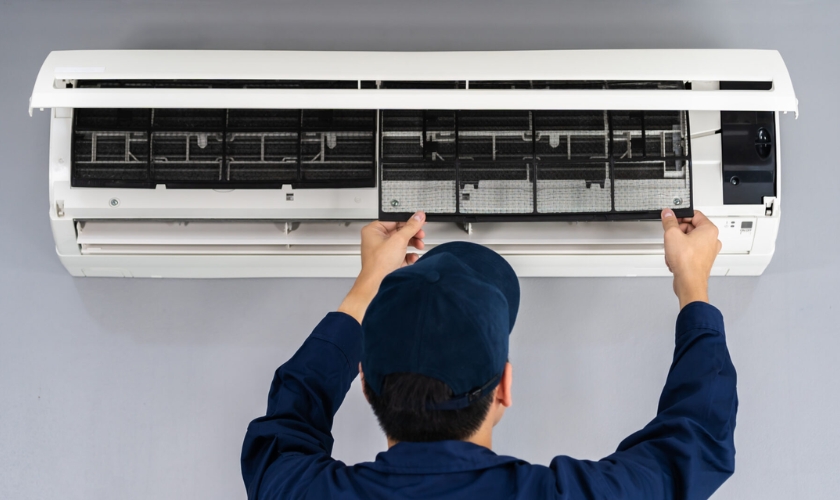
WHAT HAPPENS DURING AC SERVICING?
As the summer sun heats things up, a cool and comfortable home becomes a top priority. Your air conditioner (AC) plays a vital role in achieving that comfort, but like any hardworking appliance, it needs regular maintenance to function efficiently.
This comprehensive guide dives deep into what happens during a typical AC service visit. We’ll explore the key steps involved, why each step is important, and how regular servicing benefits your AC unit and your wallet.
Understanding the Importance of AC Servicing
Regular AC servicing is much more than just cleaning a filter. It’s a proactive approach to maintaining optimal performance, preventing costly breakdowns, and extending the lifespan of your AC unit.
Here are some key benefits of scheduling regular AC service:
- Improved Efficiency: A well-maintained AC unit operates more efficiently, translating to lower energy bills and reduced wear and tear on the system.
- Enhanced Comfort: Regular cleaning and inspections ensure your AC cools your home effectively, providing consistent comfort throughout the hot summer months.
- Prevents Breakdowns: Proactive maintenance helps identify potential problems early on, preventing unexpected breakdowns and the need for expensive repairs.
- Extends Lifespan: With proper care, your AC unit can last for many years. Regular servicing helps minimize wear and tear, contributing to a longer lifespan for your investment.
What to Expect During an AC Service Visit
The specific steps involved in an AC service visit might vary slightly depending on your technician and the type of AC unit you have. However, here’s a general overview of what you can expect:
1. System Inspection:
- Visual Inspection: The technician will begin with a visual inspection of your AC unit, both indoors and outdoors. They’ll check for any signs of damage, leaks, corrosion, or loose connections.
- Safety Checks: The technician will ensure your AC unit is operating safely by inspecting electrical components, refrigerant lines, and safety switches.
2. Cleaning and Maintenance:
- Air Filter Replacement: A dirty air filter can significantly reduce airflow and efficiency. The technician will replace your air filter with a clean one, typically recommended every 1-3 months.
- Coil Cleaning: Both the indoor evaporator coil and the outdoor condenser coil will be thoroughly cleaned to remove dust, dirt, and debris that can impede airflow and heat transfer.
- Drain Line Cleaning: The technician will clean the condensate drain line to prevent clogs and ensure proper drainage of moisture from the AC unit.
3. Performance Checks:
- Refrigerant Level Check: The technician will check the refrigerant level in your AC unit. Low refrigerant levels can impact cooling performance and efficiency.
- Temperature Readings: The technician will measure the temperature of the air entering and exiting the AC unit to ensure it’s cooling your home effectively.
- Electrical System Checks: The technician will verify proper electrical voltage and amperage to ensure the AC unit is functioning safely and efficiently.
4. System Adjustments (if needed):
Based on their findings, the technician might make some adjustments to optimize performance. This could involve tightening electrical connections, adjusting airflow settings, or topping up refrigerant levels (if necessary).
5. Reporting and Recommendations:
After completing the service, the technician will provide you with a report summarizing their findings. This might include recommendations for further maintenance or potential repairs if any issues were identified.
Additional Considerations for AC Servicing
Here are some additional points to keep in mind when scheduling AC servicing:
- Frequency of Service: Most AC units benefit from annual servicing, preferably before the peak summer season. If you use your AC frequently or live in a dusty environment, more frequent service might be recommended by your technician.
- Choosing an AC Technician: Opt for a licensed and qualified HVAC technician with experience servicing your specific AC unit model.
- Be Prepared: Clear some space around your AC unit for the technician to access it easily. Have any questions or concerns ready to discuss during the service visit.
Regular AC servicing is an investment in your comfort and your wallet. By understanding the importance of servicing, what to expect during a visit, and some additional considerations, you can ensure your AC unit keeps you cool and comfortable for many years to come.
Remember, a well-maintained AC unit not only saves you money on energy bills but also prevents unexpected breakdowns and extends the lifespan of your system. So, schedule your AC service today .