

Why Air Condition Installation is the Best Home Improvement Investment This Year
If last summer felt hotter than ever, you’re not alone. Between rising temperatures, sticky humidity, and energy bills that seem to climb each month, staying comfortable at home can feel like a challenge. In communities like Lockport and surrounding Illinois neighborhoods, where summers swing from warm mornings to sweltering afternoons, indoor comfort matters more than ever.
But installing a new air conditioning system isn’t just about staying cool. It’s about lowering long-term expenses, improving air quality, and increasing your home’s overall value. A modern system can transform how your home feels day and night.
In this guide, you’ll discover why investing in professional AC installation services now is one of the smartest financial and lifestyle decisions you can make this year.
What Makes a Home Improvement Investment “Worth It”?
Not every upgrade delivers real value. Homeowners typically evaluate improvements based on several practical factors.
Return on Investment (ROI): Will the upgrade pay off over time? A new cooling system can reduce monthly operating costs while adding resale appeal.
Energy efficiency: Older systems work harder and use more electricity. Newer models are designed to cool faster while consuming less power, which directly impacts your utility bills.
Property value impact: Buyers increasingly prioritize energy-efficient homes. A modern air conditioner signals that the property is well-maintained and move-in ready.
Daily lifestyle improvement: Some investments look nice, but don’t change how you live. Air conditioning affects your comfort every single day, especially during peak summer heat.
Maintenance savings: Aging systems often require frequent repairs. Replacing an unreliable unit eliminates repeated service calls and unexpected breakdowns.
When you measure all these factors together, upgrading your cooling system consistently ranks as one of the most practical and financially sound home improvements available today.
Why Air Condition Installation Delivers Immediate Benefits
Instant Comfort Upgrade
The most noticeable difference is immediate. A properly sized and professionally installed system cools your home evenly and quickly. No more hot upstairs bedrooms or stuffy living rooms. Instead, you enjoy consistent airflow throughout the house, even during humid Illinois afternoons.
Better Indoor Air Quality
Modern systems don’t just cool. They filter. Advanced filtration reduces dust, allergens, and airborne particles. For families dealing with seasonal allergies or asthma, this improvement can be life-changing. Clean air contributes to better sleep, fewer irritations, and a healthier indoor environment overall.
Humidity Control
Midwestern summers can feel heavy and damp. Excess humidity makes your home feel warmer than it actually is. A new AC system helps regulate moisture levels, making indoor temperatures feel cooler and more comfortable without overworking the unit.
Quiet Operation Compared to Older Units
If your current system rattles, hums loudly, or cycles constantly, you already know how disruptive that can be. Newer models operate far more quietly. You’ll notice the comfort without the noise.
These immediate improvements make daily life easier, more comfortable, and more enjoyable from day one.
Long-Term Financial Advantages of Installing a New AC System
While comfort is important, the financial impact often seals the decision.
Lower monthly energy bills: Modern units are engineered for efficiency. By using less energy to produce better results, homeowners often see meaningful savings during peak cooling months.
Reduced repair costs: If your system is over a decade old, repair visits may be becoming routine. Replacing it eliminates recurring expenses and the stress of emergency breakdowns during heat waves.
Rebates and tax incentives: Depending on the equipment selected, homeowners may qualify for manufacturer rebates or energy-efficiency incentives that offset installation costs.
Increased system lifespan: Today’s technology is built for durability and performance. With proper maintenance, a new system can serve your home reliably for many years.
When you combine lower bills, fewer repairs, and possible incentives, the investment becomes easier to justify.
How a New AC System Increases Property Value
Homebuyers look beyond paint and flooring. They evaluate mechanical systems closely.
Buyer appeal: A newly installed system reassures buyers that they won’t face immediate HVAC expenses.
Energy-efficient home certifications: High-efficiency systems may contribute to energy-conscious home ratings that attract environmentally aware buyers.
Faster resale potential: Homes with updated mechanical systems often sell more quickly because buyers see fewer immediate upgrade needs.
Competitive edge in listings: In competitive real estate markets around Lockport and nearby communities, highlighting a new air conditioning system can differentiate your home from similar properties.
Cooling systems may not be flashy upgrades, but they significantly influence purchasing decisions.
Signs This Is the Right Year to Install a New AC
Not sure if now is the right time? Consider this checklist:
- Your system is 10–15 years old or older
- You’ve scheduled multiple repairs in the past two years
- Certain rooms never cool evenly
- Energy bills continue rising despite normal usage
- The unit runs loudly or cycles constantly
If two or more of these apply to your home, it may be time to consider replacement. Acting before a complete failure allows you to plan strategically rather than rushing into emergency decisions during extreme heat.
Choosing the Right System for Your Home
Central Air vs Ductless
Central systems work well for homes with existing ductwork. Ductless options are ideal for additions, finished basements, or properties without ducts. The right choice depends on layout and cooling needs.
Proper Size Matters
Bigger isn’t always better. An oversized system cycles too quickly, while an undersized unit struggles to cool efficiently. Professional load calculations ensure the system fits your home precisely.
Efficiency Ratings Explained (SEER Basics)
SEER ratings measure cooling efficiency. Higher ratings typically mean lower operating costs. Selecting the right balance between upfront investment and long-term savings is key.
Smart Thermostat Compatibility
Pairing your system with a smart thermostat enhances energy control. Remote adjustments and programmable settings help maximize efficiency.
Selecting the right setup ensures performance, comfort, and cost-effectiveness.
Professional Installation vs DIY: Why Expertise Matters
Installing an air conditioner involves more than connecting equipment.
Correct sizing calculations prevent performance issues.
Ductwork evaluation ensures proper airflow.
Electrical safety protects your home and equipment.
Warranty protection often depends on professional installation.
Performance optimization ensures the system operates at peak efficiency from day one.
Working with Winters Heating, Inc means your AC installation services in Lockport are handled by trained professionals who understand local climate demands and building standards. Proper installation directly impacts efficiency, longevity, and reliability.
How to Maximize Your Investment After Installation
A new system performs best when properly maintained.
- Schedule routine maintenance checks
- Replace air filters regularly
- Book annual tune-ups before peak summer
- Use programmable thermostat settings wisely
- Keep vents and airflow pathways clear
Regular care protects your investment and keeps energy consumption steady. Preventative maintenance also helps identify small issues before they turn into costly repairs.
Homeowners who maintain their systems consistently experience better comfort and longer equipment life.
When you evaluate comfort, energy savings, reliability, and property value together, upgrading your cooling system stands out as a strategic decision. It’s not just an expense. It’s an investment in how your home feels every day and how it performs financially over time.
If your current system struggles to keep up with Illinois summers, now is the time to act. The team at Winters Heating, Inc understands the needs of local homeowners and delivers dependable solutions tailored to your space.
Schedule a consultation today and discover how professional AC installation services can transform your comfort, lower your energy bills, and protect your home’s long-term value.
Frequently Asked Questions
How long does AC installation take?
Most residential installations are completed within one day. However, timing can vary depending on system type, home size, and whether ductwork modifications are needed.
What is a SEER rating, and why does it matter?
SEER measures how efficiently an air conditioner operates. Higher ratings generally mean lower energy usage, which can reduce cooling costs over time.
Can a new AC system improve indoor air quality?
Yes. Modern systems include improved filtration that helps reduce dust, allergens, and airborne particles, creating a cleaner and healthier indoor environment.
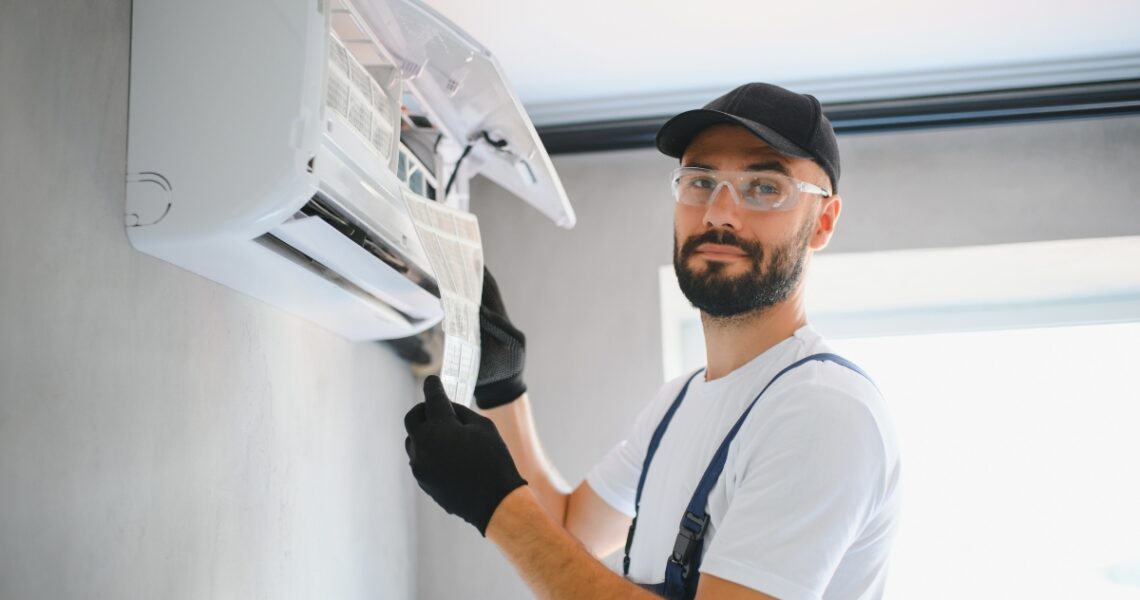
Signs You Need Air Conditioner Installation in Lockport, IL
One of your home’s hardest-working appliances is your air conditioner, but like all machines, it has a limited lifespan. A reliable air conditioner is essential in Lockport, Illinois, where summer temperatures can soar. It may be time for a new installation if your unit is aging or isn’t operating as well as it once did. This blog will teach you when to replace your air conditioner and how doing so can improve your energy efficiency and comfort.
1. Frequent Repairs
It’s a warning sign if you find yourself needing AC repairs more frequently. While occasional repairs are standard, a system that often breaks down is nearing the end of its useful life. In the long term, a replacement is more economical because the cost of ongoing repairs can quickly mount up.
2. Inefficient Cooling
A well-operating air conditioner should effectively cool your house. It might be time to invest in a new air conditioner installation in Lockport, IL, if you notice some rooms are warmer than others, or the air feels less cool even after running your air conditioner for hours. Your energy costs may rise due to an outdated system’s inability to efficiently cool your home.
3. High Energy Bills
Over time, older air conditioners become less efficient. Your air conditioner may be working harder than it needs to if you’ve noticed a consistent increase in your energy bills, even though you’re using the system in the same manner. Better cooling and lower utility costs can be achieved with a new energy-efficient model.
4. Strange Noises or Odors
Strange noises, such as squealing, buzzing, or grinding, may indicate that the motor or other components of your air conditioner are malfunctioning. Similarly, odd smells, such as musty or burning odors, can indicate electrical problems or mold growth. While these signs often suggest a need for repairs, if they persist or worsen, replacing your air conditioner with a new air conditioner installation in Lockport, IL, may be the most effective solution.
5. Age of the System
An air conditioner typically lasts between ten and fifteen years. Your system is more likely to experience serious problems if it is approaching or beyond that age. Upgrading your home’s energy efficiency and staying ahead of potential issues are two benefits of replacing an old unit with a newer model.
6. Refrigerant Leaks
Your system’s cooling capacity may be diminished if there is a refrigerant leak. Recharging the refrigerant may be a short-term solution, but if the unit is old or the leak is severe, replacing the unit is frequently more economical. Environmental issues may also arise from leaks, especially if the refrigerant used is harmful to the ozone layer.
Benefits of a New Air Conditioning Unit
When you purchase a new air conditioning unit, you will enjoy the following benefits that provide long-term value:
- Increased Efficiency: The latest air conditioning units are built with efficiency in mind. They will keep your home’s temperature regulated without costing you a fortune.
- Improved Indoor Air Quality: Many newer model air conditioning units come equipped with filtration systems. These systems will remove air impurities from your home and help reduce allergens. The elimination of noise from modern air conditioning units results in a quiet, comfortable living environment.
- Additional Convenience: Several new air conditioning units now feature innovative technology that lets you manage your home’s temperature from your smartphone or tablet.
To Upgrade Your Comfort, Contact Winters Heating & Cooling
If your air conditioning unit is no longer providing the desired level of comfort or efficiency, it may be time to replace it with a new one. At Winters Heating & Cooling, we specialize in air conditioner installation in Lockport, IL, and can help you find the perfect system for your home’s needs. We will ensure your new air conditioning unit keeps your house cool and comfortable during the summer heat.
Don’t wait until your AC breaks down—schedule a consultation with us today and ensure your home stays cool all summer long.
FAQs
When Do I Need to Replace My Air Conditioner?
Most air conditioning systems have an average lifespan of approximately 10 -15 years; therefore, if your AC consists of older models that continue to require repairs, then replacing your unit is likely the best decision.
How to Maximize the Efficiency of Your Air Conditioning System?
Regular maintenance is a great way to keep your system performing optimally. Things such as filter changes, coil cleaning, annual tune-ups, etc., will help the longevity and efficiency.
What is the Correct Size Air Conditioner For My House?
Your home’s square footage will determine the size of your air conditioning unit. A professional HVAC technician will help you choose the right size to cool your home adequately.
Is it Worth Repairing an Older Air Conditioner?
If your air conditioning unit is over 10 years old and requires frequent repairs, it’s our suggestion to replace your existing unit instead of purchasing the parts to continue repairing your unit.
Do New Air Conditioning Units Save You Money On Your Monthly Utility Bill?
Yes. Newer air conditioning units are much more energy-efficient than older models. This can lead to a significant decrease in your utility bill each month.
What Will Happen During My Air Conditioning Installation Process?
During a professional air conditioning installation process, the following steps are completed: removing the old air conditioning system, installing the new cooling system in the home, and setting up the new system for maximum efficiency.

What Does AC Installation Include?
As the temperature rises, the importance of a reliable air conditioning system becomes crystal clear. Whether you’re installing a new AC unit for the first time or replacing an outdated system, understanding what the installation process entails can help you prepare for what lies ahead. This guide will walk you through the key components of a professional AC installation, ensuring that you know exactly what to expect from start to finish.
When it comes to maintaining comfort in your home, an air conditioning system is indispensable. However, the journey to cool air starts with a successful installation. Unfortunately, many homeowners find the process confusing or overwhelming, especially with the variety of options and technical jargon involved. But knowledge is power. By understanding the ins and outs of AC installation, you can make informed decisions, ask the right questions, and ensure that your investment pays off in the long run.
This blog aims to demystify the AC installation process, from the initial evaluation to the final walkthrough. By the end, you’ll be equipped with the knowledge to ensure a smooth, efficient, and hassle-free installation experience.
1. Initial Assessment and Consultation
The first step in any AC installation process is a comprehensive assessment of your home. During this phase, an HVAC technician will visit your property to evaluate your cooling needs. They will consider several factors, such as:
- Square footage of your home: Larger homes require more powerful units to maintain consistent cooling.
- Insulation quality: Proper insulation reduces the strain on your AC unit by minimizing heat exchange.
- Number of windows and their placement: Windows can be a major source of heat gain, affecting the cooling load.
- Local climate: The typical temperature range and humidity levels in your area can influence the type of system best suited for your home.
This consultation helps the technician determine the appropriate size and type of AC unit for your space, ensuring efficiency and effectiveness. You’ll also discuss any preferences you have, such as energy efficiency, noise levels, and smart features.
2. Choosing the Right System
Once the assessment is complete, the next step is selecting the right air conditioning system. This decision will be guided by the results of the assessment, but you’ll also have choices to make based on your budget, energy efficiency goals, and brand preferences. Common options include:
- Central Air Conditioning: Ideal for cooling entire homes with a network of ducts.
- Ductless Mini-Split Systems: Perfect for homes without ducts or for zoning specific areas.
- Window Units: A more budget-friendly option for smaller spaces.
- Portable Units: Versatile but less efficient, suitable for temporary cooling needs.
Your technician will explain the pros and cons of each option, helping you weigh factors like upfront cost, long-term savings, and maintenance requirements.
3. Pre-Installation Preparations
Before the installation begins, some preparations are necessary to ensure a smooth process. These preparations may include:
- Permits and paperwork: Depending on your location, you may need permits for installing a new AC system. Your contractor typically handles this, but it’s important to verify.
- Scheduling the installation: Installation can take anywhere from a few hours to a full day, depending on the complexity of the job. It’s essential to plan accordingly, as you may need to stay home during this time.
- Clearing the work area: Ensure that the area where the installation will take place is clear of any obstacles. This might include removing furniture, plants, or other items that could be in the way.
These steps help prevent delays and allow the technicians to work efficiently.
4. The Installation Process
The actual installation involves several critical steps, each essential to the overall performance and longevity of your AC system. Here’s what typically happens:
- Old system removal: If you’re replacing an existing unit, the first step is to safely remove it. This includes disconnecting electrical components and refrigerant lines.
- Ductwork inspection and modification: For central air systems, the ductwork is a vital component. Technicians will inspect your ducts for leaks or blockages and make necessary repairs or modifications to ensure optimal airflow.
- Mounting the new unit: Whether it’s an outdoor condenser or an indoor air handler, the new unit is carefully positioned and secured. Proper placement is crucial to ensure efficient operation and easy access for future maintenance.
- Connecting refrigerant lines and electrical wiring: These connections must be made with precision to avoid leaks or electrical issues. Technicians will also ensure that the refrigerant levels are correct.
- Thermostat installation: If you’re upgrading to a new thermostat, this is when it will be installed and configured. Smart thermostats may require additional setup to connect with your Wi-Fi network and smartphone.
- Testing the system: Once everything is connected, the technician will test the system to ensure it’s working properly. This includes checking for leaks, verifying airflow, and measuring the temperature difference across the coil.
5. Post-Installation Review
After the installation is complete, the technician will walk you through the system’s features and operation. They’ll show you how to use the thermostat, explain any maintenance tasks you need to perform, and provide tips on energy-saving practices.
Additionally, they may schedule a follow-up visit to check on the system’s performance after it’s had some time to run. This is a good time to ask any lingering questions and ensure that everything is working as expected.
6. Clean-Up and Disposal
A professional AC installation also includes thorough clean-up. The technicians will remove any debris, old equipment, and packaging materials from your property. If you’ve had an old system removed, they will handle the disposal according to local regulations, ensuring that refrigerants and other materials are disposed of safely.
7. Final Inspection and Sign-Off
Before the technicians leave, they’ll perform a final inspection to ensure that everything is functioning correctly and safely. Once they’re satisfied, you’ll be asked to sign off on the job, acknowledging that the installation was completed to your satisfaction. You should also receive documentation, including the warranty details, service agreements, and contact information for future maintenance or repairs.
Installing a new air conditioning system is a significant investment in your home’s comfort and energy efficiency. Understanding what the installation process includes—from the initial assessment to the final inspection—empowers you to make informed decisions and ensures that you get the most out of your new system. By choosing a reputable HVAC contractor and staying informed throughout the process, you can enjoy a seamless installation experience and peace of mind knowing your home will stay cool for years to come.
FAQs
- How long does a typical AC installation take?
The duration of an AC installation can vary but typically ranges from 4 to 8 hours, depending on the complexity of the job.
- Do I need to be home during the AC installation?
Yes, it’s recommended that you be home during the installation to answer any questions the technicians may have and to learn how to operate your new system.
- Will my new AC unit come with a warranty?
Most AC units come with a manufacturer’s warranty, and many contractors offer additional labor warranties. Be sure to ask about the specifics during the purchase.
- Is it necessary to replace my ductwork during AC installation?
Not always, but if your ductwork is old, damaged, or inefficient, replacing it can improve your system’s performance and efficiency.
- Can I install an AC system myself?
While it’s technically possible, DIY installation is not recommended due to the complexity and potential hazards. Professional installation ensures safety and proper operation.
- What are the signs that my AC unit needs replacement rather than repair?
Frequent breakdowns, high energy bills, inconsistent cooling, and an AC unit older than 10-15 years are common indicators that replacement may be more cost-effective than repair.
- How do I choose the right AC system for my home?
Consult with an HVAC professional who can assess your home’s size, insulation, and cooling needs to recommend the best system for your space.
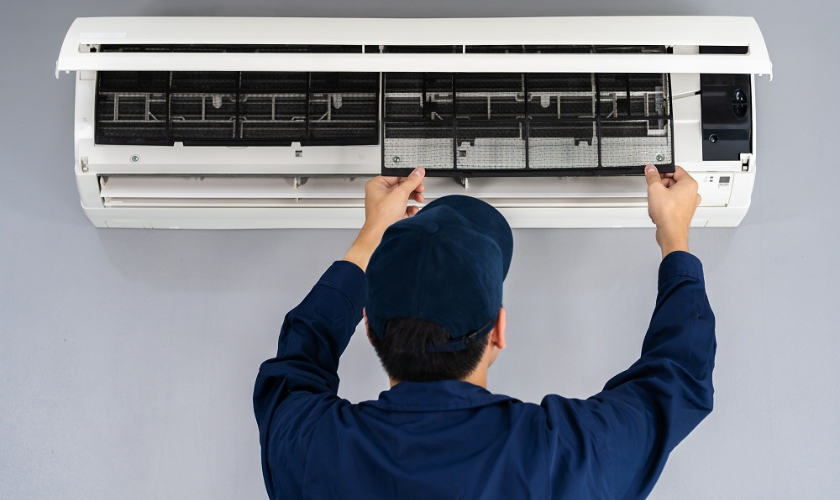
What is the procedure of AC installation?
Installing an air conditioning (AC) system can be a complex task, but with the right knowledge and preparation, it can be a smooth process. Whether you’re upgrading your old system or installing a new one, understanding the procedure can help you make informed decisions and ensure a successful installation. This guide will walk you through the entire process, from preparation to final testing.
As temperatures rise, having a reliable air conditioning system becomes essential for comfort and health. Installing an AC unit is a significant investment, and understanding the installation process can save you time, money, and stress. This blog will break down the procedure of AC installation into clear, manageable steps, helping you understand what to expect and how to prepare.
1. Pre-Installation Planning
Before the actual installation begins, thorough planning is crucial. This phase includes several key steps:
a. Choosing the Right System
- Assessing Your Needs: Consider the size of your space, the local climate, and your budget to determine the type of AC system that best suits your needs.
- Energy Efficiency: Look for energy-efficient models that can save you money on electricity bills while reducing your environmental footprint.
- Professional Consultation: It’s wise to consult with an HVAC professional to get recommendations on the best system for your home.
b. Site Inspection
- Home Evaluation: A professional technician will conduct a detailed evaluation of your home to determine the optimal location for the indoor and outdoor units.
- Load Calculation: This involves calculating the cooling load to ensure the system can efficiently cool your space without overworking.
2. Preparation
Once the planning is complete, preparation for the installation begins:
a. Gathering Materials
- Tools and Equipment: Ensure all necessary tools and equipment are on hand. This includes drills, pipe cutters, wrenches, and safety gear.
- AC Components: Verify that all components of the AC system, such as the indoor and outdoor units, thermostat, and ductwork, are available.
b. Preparing the Installation Site
- Clearing the Area: Remove any obstacles or debris from the installation site to provide easy access for the technicians.
- Electrical Setup: Ensure that the electrical system can support the new AC unit. This may involve upgrading the electrical panel or installing a dedicated circuit.
3. Indoor Unit Installation
The indoor unit is typically installed first:
a. Mounting the Indoor Unit
- Selecting the Location: Choose a central location that allows for even air distribution and easy access for maintenance.
- Mounting Bracket: Secure the mounting bracket on the wall, ensuring it is level and can support the weight of the unit.
- Attaching the Unit: Carefully mount the indoor unit on the bracket and secure it in place.
b. Connecting the Pipes and Wires
- Refrigerant Lines: Connect the refrigerant lines to the indoor unit, ensuring they are properly insulated to prevent energy loss.
- Drain Pipe: Install the drain pipe to remove condensation from the indoor unit.
- Electrical Connections: Connect the electrical wiring according to the manufacturer’s instructions.
4. Outdoor Unit Installation
The outdoor unit, also known as the condenser, is then installed:
a. Positioning the Outdoor Unit
- Location: Place the outdoor unit on a stable, level surface, away from direct sunlight and obstructions.
- Vibration Pads: Use vibration pads to reduce noise and prevent vibrations from damaging the unit.
b. Connecting the System
- Refrigerant Lines: Connect the refrigerant lines from the indoor unit to the outdoor unit, ensuring a tight seal to prevent leaks.
- Electrical Connections: Connect the electrical wiring to the outdoor unit, following the manufacturer’s guidelines.
- Vacuuming the Lines: Use a vacuum pump to remove any air and moisture from the refrigerant lines.
5. System Testing and Final Checks
After the units are installed, the system needs to be tested:
a. Initial Testing
- Powering Up: Turn on the system and check for proper operation of both the indoor and outdoor units.
- Refrigerant Levels: Ensure the refrigerant levels are correct to optimize cooling performance.
b. Final Adjustments
- Thermostat Calibration: Set and calibrate the thermostat to ensure accurate temperature control.
- Airflow Check: Verify that the airflow is consistent and that there are no blockages in the ducts.
6. Maintenance and Care
Proper maintenance ensures the longevity and efficiency of your AC system:
a. Regular Cleaning
- Filter Replacement: Replace or clean the air filters regularly to maintain optimal airflow and indoor air quality.
- Coil Cleaning: Clean the evaporator and condenser coils to prevent dust and dirt buildup.
b. Professional Servicing
- Annual Inspection: Schedule annual inspections with an HVAC professional to check for any issues and perform necessary maintenance.
- Repairs: Address any repairs promptly to prevent further damage and ensure the system operates efficiently.
Installing an AC system involves several detailed steps, each crucial to ensuring a successful and efficient installation. By understanding the process, you can better prepare for the installation, ask informed questions, and maintain your system for optimal performance. Whether you’re tackling a DIY project or hiring a professional, this guide provides the foundation you need to keep your home cool and comfortable.
FAQs
- How long does it take to install an AC system?
- The installation process typically takes one to two days, depending on the complexity of the setup and the type of system being installed.
- Can I install an AC system myself?
- While some homeowners choose to install their AC systems, it is generally recommended to hire a professional to ensure proper installation and avoid potential issues.
- What are the common mistakes to avoid during AC installation?
- Common mistakes include improper sizing, poor placement of units, incorrect refrigerant levels, and inadequate insulation of refrigerant lines.
- How much does it cost to install a central air conditioning system?
- The cost can vary widely depending on the system type, home size, and installation complexity, but typically ranges from $3,000 to $7,000.
- Do I need a permit to install an AC system?
- Many areas require a permit for AC installation to ensure the work meets local building codes and safety standards. Check with your local authorities for specific requirements.
- How often should I replace my AC filters?
- AC filters should be replaced or cleaned every 1-3 months, depending on usage and the type of filter used.
- What should I do if my newly installed AC isn’t cooling properly?
- If your AC isn’t cooling properly, check for issues like incorrect thermostat settings, blocked vents, or dirty filters. If the problem persists, contact a professional for a thorough inspection.

Cool Facts About Air Conditioners: Interesting Insights After Installation
Congratulations on your new air conditioner installation! Now that your home is a cool and refreshing oasis, you might be curious about the fascinating technology behind it. This blog delves into the world of air conditioning, uncovering some surprising and interesting facts to enhance your appreciation for this modern marvel.
From Ice Trade to Cool Comfort: A History Steeped in Innovation
The concept of air conditioning has a surprisingly long history, dating back centuries:
- Ancient Cool Down: The ancient Egyptians and Romans used a network of water channels and strategically placed vegetation to create cooler spaces.
- Ice Age Inspiration: In 17th century Persia, the use of underground chambers filled with ice provided a rudimentary form of air cooling.
- Modern Marvels Emerge: The 19th century saw the development of mechanical refrigeration systems, paving the way for modern air conditioning.
- Willis Haviland Carrier: In 1902, American engineer Willis Haviland Carrier is credited with inventing the first modern air conditioning system to control humidity and temperature in a printing factory.
Beyond Cooling: Unveiling the Multifaceted Role of Air Conditioners
While keeping us cool is the primary function of air conditioners, they offer a surprising range of benefits:
- Improved Air Quality: Air conditioners act as air filters, trapping dust, pollen, and other allergens, improving indoor air quality and reducing respiratory problems.
- Humidity Control: Modern air conditioners can not only cool the air but also dehumidify it, preventing mold growth and creating a more comfortable environment.
- Enhanced Sleep: A cool and comfortable bedroom environment facilitates better sleep quality, essential for overall health and well-being.
- Preserving Artwork: Consistent temperature and humidity control offered by air conditioning helps protect valuable artwork and furniture from damage.
The Science Behind the Cool: Unveiling the Inner Workings of Your AC
Understanding the basic principles of your air conditioner will help you appreciate its efficiency:
- The Refrigeration Cycle: Air conditioners utilize a closed-loop refrigeration cycle. Refrigerant absorbs heat from the indoor air, cools down in the outdoor unit, and then releases cool air back into the home.
- The Role of Coils: The indoor unit houses an evaporator coil where the refrigerant absorbs heat. The outdoor unit contains a condenser coil where the refrigerant releases heat.
- Fans for Airflow: Fans circulate air over the evaporator and condenser coils, facilitating heat transfer and cooling the indoor space.
Beyond BTU: Exploring Efficiency Ratings
When choosing or maintaining your air conditioner, understanding efficiency ratings is crucial:
- British Thermal Unit (BTU): BTU indicates the amount of heat an AC unit can remove in an hour. However, a higher BTU doesn’t necessarily equate to better efficiency.
- Seasonal Energy Efficiency Ratio (SEER): SEER measures how efficiently an AC unit converts electricity into cooling. A higher SEER rating signifies a more efficient unit that saves you money on energy bills.
Green Cooling Solutions: Embracing Sustainable Practices
As environmental consciousness grows, sustainable air conditioning practices are gaining traction:
- Energy-Efficient Models: Look for air conditioners with high SEER ratings and consider inverter technology for even greater efficiency.
- Smart Thermostat Integration: Smart thermostats allow for intelligent temperature control, minimizing energy waste.
- Regular Maintenance: Proper maintenance ensures optimal performance and efficiency of your air conditioner.
- Greener Refrigerants: New, eco-friendly refrigerants with lower environmental impact are being developed for future air conditioners.
Beyond Your Home: Air Conditioning’s Global Impact
Air conditioning plays a significant role in various sectors beyond residential use:
- Data Centers: Maintaining cool temperatures is crucial for the proper functioning of computer servers in data centers.
- Food Preservation: Air conditioning is essential in food storage facilities to prevent spoilage and maintain food quality.
- Hospitals and Medical Facilities: Air conditioning ensures a sterile and comfortable environment for patients and medical staff.
- Enhanced Productivity: Studies have shown that cooler working environments can lead to increased productivity and employee well-being.
Ready to Schedule an Air-Conditioner-Installation Consultation?
If you’re considering installing a new air conditioner or upgrading your existing system, contact Winters Heating & Air Conditioning today! Our team of technicians can help you choose the perfect AC unit for your needs and ensure a smooth and professional installation process.

Key Considerations for a Successful Air Conditioning Installation
In the scorching heat of summer, a reliable air conditioning system is not just a luxury but a necessity for maintaining comfort and sanity indoors. However, the key to unlocking the full potential of your AC unit lies in a successful installation process. From assessing your cooling needs to optimizing efficiency and maintenance, each step plays a crucial role in ensuring long-term satisfaction with your investment. Let’s delve into the key considerations for a seamless air conditioning installation.
Planning for Success
A. Assessing Your Cooling Needs
Before diving into the installation process, it’s essential to assess your cooling requirements accurately. Factors such as the size of your home, insulation quality, and local climate conditions all influence the capacity of the air conditioner needed to keep your space comfortably cool.
B. Choosing the Right Type of Air Conditioner
Air conditioners come in various types, including central air conditioning, ductless mini-split systems, and window units. Each has its pros and cons, depending on factors like budget, home layout, and personal preferences. Selecting the most suitable type ensures optimal performance and energy efficiency.
C. Determining the Ideal Location for Installation
The placement of your air conditioner significantly impacts its efficiency and effectiveness. Choose a location that allows for proper airflow, minimizes exposure to direct sunlight, and is easily accessible for maintenance tasks.
Preparing Your Home for Installation
A. Ensuring Proper Insulation
Good insulation is essential for maintaining a consistent indoor temperature and reducing energy consumption. Before installation, assess and improve insulation in key areas such as walls, attics, and crawl spaces to maximize the efficiency of your air conditioning system.
B. Upgrading Electrical Wiring if Necessary
An air conditioner requires a sufficient electrical supply to function safely and efficiently. If your home’s wiring is outdated or insufficient, consider upgrading to meet the power demands of your new cooling system.
C. Checking for Ductwork Compatibility
For central air conditioning systems, existing ductwork must be in good condition and properly sized to accommodate the new unit. Inspect ducts for leaks, damage, or inadequate insulation, and address any issues before installation begins.
Selecting a Qualified Installer
Choosing the right installer is paramount to the success of your air conditioning installation. Look for experienced professionals with proper licensing, insurance, and a reputation for quality workmanship.
For residents of Lockport, IL, Winters Heating & Air Conditioning offers top-notch air conditioner installation services in Lockport, IL. With years of experience and a commitment to customer satisfaction, our team ensures a seamless installation process tailored to your specific needs.
Ensuring Proper Installation
A. Unpacking and Inspecting the Air Conditioner
Before installation begins, carefully unpack and inspect the air conditioning unit for any damage or missing parts. Address any issues with the manufacturer or installer to prevent complications during installation.
B. Following Manufacturer’s Installation Guidelines
Install the air conditioner according to the manufacturer’s guidelines to ensure proper functioning and warranty coverage. Pay attention to details such as refrigerant levels, electrical connections, and drainage to avoid potential issues down the line.
C. Conducting Post-Installation Testing and Inspections
Once installation is complete, thorough testing and inspections are crucial to verify the system’s performance and identify any potential problems. Address any issues promptly to ensure optimal comfort and efficiency.
Optimizing Efficiency and Maintenance
A. Setting the Thermostat for Energy Savings
Optimize energy usage by setting your thermostat to the most efficient temperature for your comfort level. Consider investing in a programmable thermostat for greater control and energy savings.
B. Regularly Changing Air Filters
Clean air filters are essential for maintaining healthy indoor air quality and maximizing airflow. Check and replace air filters regularly to prevent dust buildup and strain on your air conditioning system.
C. Scheduling Routine Maintenance Checks
Regular maintenance by qualified professionals is key to prolonging the lifespan of your air conditioner and minimizing the risk of breakdowns. Schedule annual tune-ups to inspect, clean, and lubricate components for optimal performance.
Conclusion
A successful air conditioning installation requires careful planning, preparation, and execution. By assessing your cooling needs, preparing your home, selecting a qualified installer, ensuring proper installation, and optimizing efficiency and maintenance, you can enjoy years of reliable comfort and energy savings. For residents of Lockport, IL, Winters Heating & Air Conditioning stands ready to deliver exceptional air conditioner installation services tailored to your needs. Stay cool and comfortable all summer long with a professionally installed air conditioning system.
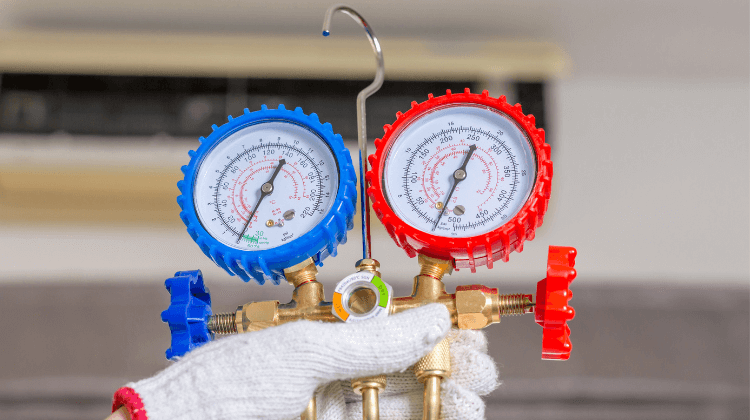
Air Conditioner Installation Contact Number
As the summer sun heats up, a cool and comfortable home becomes paramount. An air conditioner (AC) is a lifesaver during these scorching months, but what happens when you need a new unit installed? This guide will equip you with the knowledge you need for a smooth AC installation process, and introduce you to Winters Heating & Cooling, your one-stop solution for all things AC in Lockport, IL.
Why Consider Professional Air Conditioner Installation?
While some might be tempted to tackle AC installation as a DIY project, there are significant advantages to hiring a professional like Winters Heating & Cooling:
- Expertise and Efficiency: Winters Heating & Cooling boasts a team of experienced technicians who can handle any AC unit, ensuring a flawless installation that adheres to safety regulations and manufacturer guidelines. Their expertise minimizes the risk of errors that could lead to performance issues or even damage to your new AC unit.
- Time-Saving: AC installation can be a complex process, involving electrical work, refrigerant handling, and meticulous placement of the indoor and outdoor units. Trained technicians at Winters Heating & Cooling can complete the installation efficiently, saving you valuable time and frustration.
- Safety Matters: Improper AC installation can pose safety hazards, including electrical issues, refrigerant leaks, and improper drainage leading to mold growth. Winters Heating & Cooling prioritizes safety, ensuring your AC unit is installed correctly and operates safely within your home.
- Warranty Protection: Many AC manufacturer warranties become void if the unit is not installed by a certified professional. Winters Heating & Cooling technicians are qualified to handle various AC brands, safeguarding your warranty for future peace of mind.
What to Expect During AC Installation
Here’s a general breakdown of the AC installation process Winters Heating & Cooling follows:
- Consultation and Quote: Contact Winters Heating & Cooling at (708) 532-7772 to schedule a consultation. A technician will visit your home to assess your cooling needs, measure spaces, and discuss your budget. We will recommend the most suitable AC unit based on your requirements and provide a transparent quote for the installation.
- Scheduling and Preparation: Once you confirm the quote, Winters Heating & Cooling will schedule a convenient installation date. We will handle all necessary permits (if applicable) and will guide you on any pre-installation preparations at your home, such as clearing the designated area for the unit.
- Installation Process: The experienced technicians will arrive on the scheduled date equipped with the necessary tools and materials. The installation typically involves securely installing the indoor and outdoor units, connecting the refrigerant lines, and performing electrical work to power the AC unit.
- System Testing and Walkthrough: Following installation, the technicians will thoroughly test the AC unit to ensure proper operation, airflow, and cooling capacity. We will also educate you on the unit’s functionalities, maintenance requirements, and thermostat settings.
- Clean Up and Disposal: Winters Heating & Cooling prioritizes customer satisfaction. We will ensure a clean work area by removing any installation debris. Additionally, we will responsibly dispose of your old AC unit (if applicable) according to environmental regulations.
Winters Heating & Cooling: Your Local AC Installation Experts
Located conveniently in Lockport, IL, Winters Heating & Cooling is your trusted partner for all your air conditioning needs. Here’s what sets them apart:
- Expertise: Their team comprises highly skilled technicians with extensive experience in AC installation, repair, and maintenance.
- 24/7 Availability: Unexpected AC issues can arise anytime. Winters Heating & Cooling offers 24/7 emergency services to ensure your comfort, even outside regular business hours.
- Customer Focus: We prioritize customer satisfaction by providing transparent consultations, competitive pricing, and exceptional service.
- Wide Range of Services: Beyond installation, Winters Heating & Cooling offers comprehensive AC services, including repairs, maintenance plans, and seasonal tune-ups to optimize your unit’s performance and lifespan.
Taking the Next Step
Don’t wait for the summer heat to catch you unprepared. Contact Winters Heating & Cooling today at (708) 532-7772 to schedule a consultation for your AC installation. Their team of experts will guide you through the process, ensuring a smooth and efficient installation of a new AC unit that keeps your home cool and comfortable throughout the season.
Remember: Regular Air conditioner maintenance is crucial for maintaining optimal AC performance and longevity. Winters Heating & Cooling offers maintenance plans to ensure your AC unit runs smoothly for years to come. Breathe easy this summer with Winters Heating & Cooling as your AC partner!
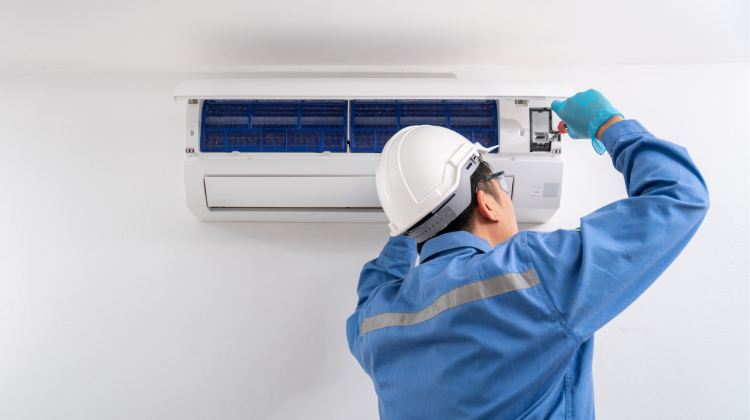
Steps Involved in Installing an Air Conditioning System in a Home
In today’s world, where comfort is key, installing an air conditioning (AC) system in your home can significantly enhance your living experience. However, the process of installing an AC unit involves several crucial steps to ensure its effectiveness and longevity. In this guide, we’ll walk you through each step of the installation process, from initial assessment to final completion, providing valuable insights along the way.
Assessment
The first step in installing an AC system is to assess the space where it will be installed. This involves evaluating factors such as the size of the room or home, the layout, insulation, and the local climate. By understanding these factors, you can determine the right size and type of AC unit needed to effectively cool your space without wasting energy.
Preparation
Once you have determined the appropriate AC unit for your space, it’s time to prepare for installation. This includes clearing the installation area of any obstructions and ensuring that proper electrical connections are in place. It’s essential to follow all safety precautions and local building codes during this phase to avoid any potential hazards.
Mounting
With the preparation complete, it’s time to mount the indoor and outdoor units of the AC system. The indoor unit is typically installed on a wall or ceiling, while the outdoor unit is placed outside the home. It’s crucial to securely install both units according to the manufacturer’s instructions to ensure proper operation and longevity of the system.
Vacuum
After the units are mounted, the next step is to vacuum the copper pipes that connect the indoor and outdoor units. This process removes any air and moisture from the pipes, ensuring optimal performance and preventing potential issues such as refrigerant leaks.
Connection
Once the pipes are vacuumed, it’s time to connect the refrigerant lines, electrical wiring, and drainage pipes. Proper connections are critical to the functioning of the AC system and should be done carefully to avoid leaks or electrical issues. It’s essential to double-check all connections and ensure they are secure before proceeding to the next step.
Testing
With the connections in place, it’s time to power on the AC unit and test for proper functioning. This involves checking for cool air flow from the indoor unit and ensuring that the system is cooling the space effectively. Any issues or discrepancies should be addressed promptly to ensure the system’s optimal performance.
Calibration
Once the AC system is up and running, it’s important to calibrate the settings for optimal efficiency. This may involve adjusting the thermostat settings, fan speeds, and airflow direction to achieve the desired comfort level while minimizing energy consumption. Proper calibration ensures that the AC system operates efficiently and effectively, providing maximum comfort for your home.
Completion
Finally, the installation process is complete, and it’s time to provide documentation and guidance on maintenance to ensure the long-term performance of the AC system. This may include providing the homeowner with manuals, warranty information, and tips for regular maintenance tasks such as cleaning filters and checking for leaks. By following these maintenance guidelines, homeowners can prolong the life of their AC system and avoid costly repairs down the road.
In conclusion, installing an air conditioning system in your home involves several essential steps, from initial assessment to final completion. By following these steps carefully and ensuring proper installation and maintenance, you can enjoy the benefits of a cool and comfortable home for years to come. If you’re considering installing an AC system, be sure to consult with a professional HVAC technician to ensure a smooth and successful installation process.
So, make sure your home stays comfortably cool through the hottest days with Winters Heating & Air Conditioning. Our top-notch AC installation service in Lockport, IL guarantees your home’s comfort, tailored to Lockport’s unique climate. Trust our expertise for a seamless installation experience and lasting cooling relief.
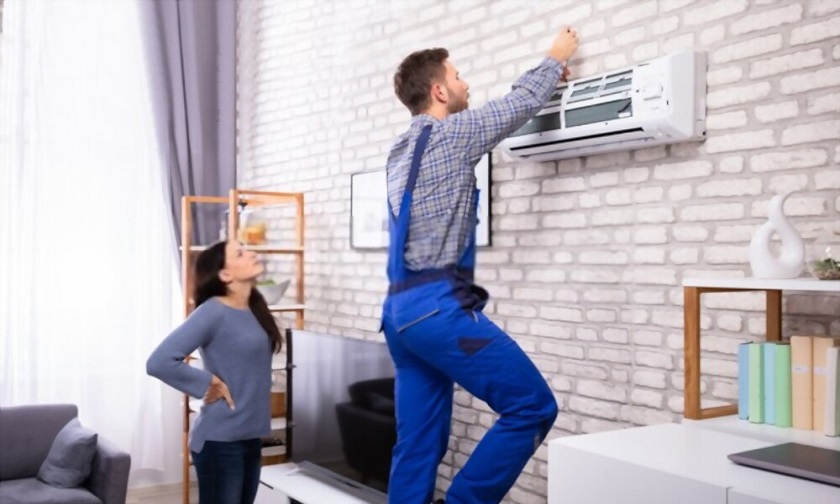
What you need to know about Ac Installation Service?
Installing an air conditioner is more than just a financial investment, it is a commitment. Because an air conditioner may last for well over a decade with regular maintenance, selecting the right unit is critical to ensure that you will not need or wish to replace your AC in the future. Air conditioning is a necessary tool for combating the heat and humidity that summer brings to the Lockport, IL area. And, happily, several recent advances in AC technology have made today’s air conditioners more powerful and efficient than ever before. Our job at Winters Heating Inc is to ensure that you have access to the best summer cooling products and services available. We fulfill that commitment by offering installation, maintenance, and repair services by highly qualified air conditioning service specialists.
Installation of New and Replacement Air Conditioners
Our installation professionals can assist you whether you are replacing an old air conditioning system, remodeling your home and upgrading your AC equipment, or building a new home and installing a completely new air conditioning system. Our skilled AC technicians have been meticulously educated to adhere to the required installation methods, ensuring that your task is completed correctly.
Why should you choose our AC installation service?
- Experienced – Our AC installation technicians have a wealth of experience. When you choose Winters Heating Inc to discover an air conditioner installation specialist, you can be confident that they will know how to put your air conditioner in your window without risk of it falling onto the city streets below. Whatever your specific scenario is, chances are they’ve encountered a similar AC installation project before and will know how to fix it.
- Capable and Skilled – If you require air conditioning installation and a good night’s sleep is at stake, you want to know that the individual you’ve hired knows what they’re doing. Winters Heating Inc, AC installation professionals have all been screened, validated, and verified. They’ll have the window air conditioner mounted on a bracket before you know it, and you’ll be able to sit back and relax in no time, enjoying the nice air conditioning breeze. You can even browse reviews and ratings about your professional to learn about their past work.
- Reliable – When the temperature rises, there’s nothing worse than waiting for an A/C installation professional to arrive. The air conditioning experts from Winters Heating Inc. will always be on time. For years, Winters Heating Inc has connected clients with experienced air conditioning installation experts, resulting in thousands of delighted customers around the country. If your time is valuable to you, call Winters Heating Inc to arrange a timely and expert AC installation specialist.
- Flexible – Winters Heating Inc allows you to schedule your AC installation technician to appear at a time that is convenient for you. You can book or reschedule your reservation at any time of day or night, from the comfort of your own home.
We hope that our blog has provided you with the necessary information. If you’re seeking the best AC installation services in Lockport IL, come to Winters Heating Inc. Our team of technical specialists provides the best installation services. Give us a call right now!